Stump Grinding in Riverside
Stump Grinding for Riverside homes - local conditions, a clear process, and one call to get it started.
stump grinding in Riverside is a neighborhood trade: same sky as everywhere in the county, different crowns, different soils, different storm history.
Every removal in Riverside leaves the same last question standing in the yard. The stump is the tree's final argument - a tripping, mower-bending monument that shoots suckers all summer and hosts fungus all winter. Grinding is how the argument ends: below grade, in an afternoon, without tearing the yard apart.
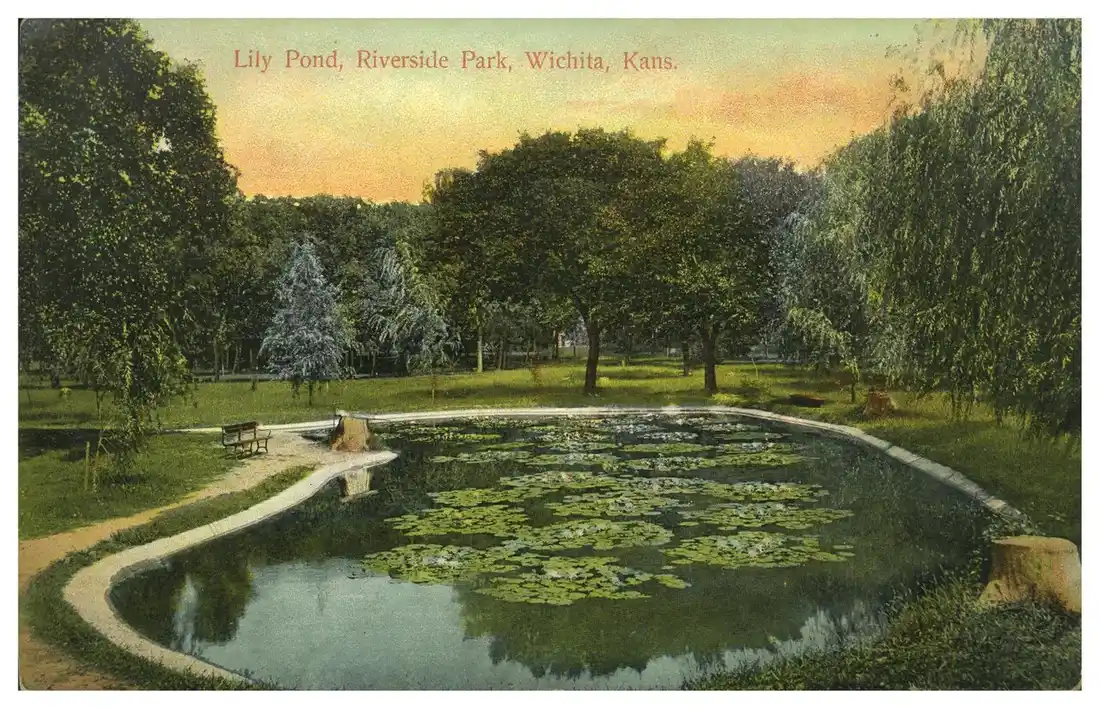
Riverside is Wichita's oldest garden neighborhood, laid out in the 1880s along the bend where the Little Arkansas meets the Arkansas River. Riverside Park, the Wichita Art Museum and the city's grandest historic homes sit under one of the oldest planted canopies in Kansas - a canopy now passing, tree by tree, into old age.
Local conditions shape the work here. Victorian-era and early-1900s homes, Craftsman bungalows and later infill, many on deep lots planted a century ago - and that shapes the tree work directly. Riverside's trees are its infrastructure: American elms that survived Dutch elm disease, hackberries, bur oaks and river pecans of great size and age. For stump grinding in Riverside, grinding calls here read the stump's depth, the root run and what the ground must do afterward.
The view near the confluence of the Arkansas and Little Arkansas rivers, below the Keeper of the Plains is the local argument: trees of one era, one storm track, one wind path - and one shared service pattern.
Signs Riverside Homes Need Stump Grinding
Fungus and carpenter ants moving in
A rotting stump is a fungus farm and an ant colony with a roof.
Suckers sprouting from the stump
Elm, hackberry, maple and locust stumps fight back with thickets of shoots - the root system is alive and spending the yard's water on a thicket nobody planted.
Roots still lifting the walk
Surface roots radiate far past the trunk, and some keep lifting concrete after the tree is gone.
Why This Work Runs in Riverside
A stump is not inert. The root system of a felled tree dies slowly - elm and hackberry roots stay alive and sprouting for years, fed by grafts to neighboring trees of the same species. Fungi colonize the wood in succession, and the whole mass becomes a small ecosystem whose exports are suckers, mushrooms and ants. Grinding ends the succession by removing the food.
Riverside's trees are its infrastructure: American elms that survived Dutch elm disease, hackberries, bur oaks and river pecans of great size and age. The work here is preservation-first - structural pruning, cabling on split-prone giants, and honest end-of-life calls on trees that have shaded four generations.
In Riverside, that plays out street by street - for stump grinding, watch the stump's depth, the roots reaching the beds and the fence line. Ask the Riverside arborists and they will name the same short list of streets where stump grinding calls repeat - and the reasons are visible from the ground.
Summer splits in two: the storm tail of June and early July, when late cells still tear at crowns, and the long bake that follows, when drought stress shows first in the trees planted in tight soil and parking-lot islands. Most storm damage is discovered in summer - the storm did the work in spring, and the failures report as the heat and wind finish them. Deep watering of young trees is the season's quiet essential.
Two things decide how much a visit accomplishes: access and honesty. Access means the crew can reach the trees, the gates and both side yards. Honesty means the full history - the limb that fell two summers ago, the crack that opened last winter, the treatment from three owners back. With both, the first visit usually settles the diagnosis for good.
Around the confluence of the Arkansas and Little Arkansas rivers, below the Keeper of the Plains, the season shows up early: exposed blocks and older trees run a few weeks ahead of the sheltered ones.
One more preparation that matters on the plains: tell the office about any lines through the canopy, septic fields or new concrete on the property. What is under and over the tree shapes the method more than most homeowners expect.
How Stump Grinding Works in Riverside
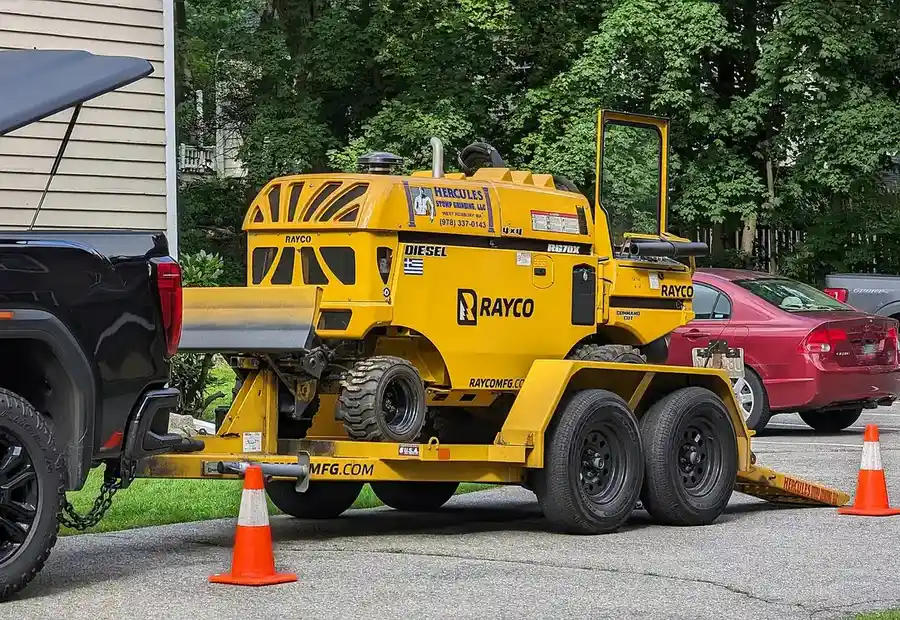
The full step-by-step process for this service - inspection, scope, the work itself and follow-up - is laid out on the main Stump Grinding page. In Riverside the same sequence runs with the local map in hand: the canopy around the confluence of the Arkansas and Little Arkansas rivers, below the Keeper of the Plains, the housing pattern described above, and the exposure this neighborhood actually carries.
The Riverside Angle
What makes Riverside different is not the work; it is the setting - plains wind, ice and storm tracks, arranged by one neighborhood's geography. Where the weather lands hardest follows the housing and the trees planted with it. Victorian-era and early-1900s homes, Craftsman bungalows and later infill, many on deep lots planted a century ago.
The tree side of the equation is just as local. Riverside's trees are its infrastructure: American elms that survived Dutch elm disease, hackberries, bur oaks and river pecans of great size and age. The work here is preservation-first - structural pruning, cabling on split-prone giants, and honest end-of-life calls on trees that have shaded four generations. Which is the whole method: read Riverside first, then do stump grinding work that fits what the reading found.
Riverside does not sit alone on the map. It weathers the same storms as Downtown Wichita, Delano and Midtown - the same cells cross the county, the same wind works the same canopies, and the same seasons move through all of them within the same few weeks. Read together, these neighborhoods tell one story - and this service is the chapter most of them eventually need.
On the route map, Riverside sits in the wichita neighborhood group, ZIP 67203 - close enough to Downtown Wichita, Delano that crews work them on the same runs. That local memory is the quiet advantage of route-based work in Riverside.
The county's weather writes the same test every year, and Riverside sits it in public: storm month, drought month, ice month. The trees that pass were not luckier - they were read earlier, cut correctly and checked again after.
Prevention That Helps in Riverside
- Decide the stump when you decide the removal - same-visit grinding is the simplest version of this job.
- Do not plant a new tree in the old stump's exact footprint; offset it and give the roots fresh ground.
- Keep sucker regrowth cut on any stump you choose to keep - it will not tire before you do.
Victorian-era and early-1900s homes, Craftsman bungalows and later infill, many on deep lots planted a century ago.
Keep Exploring
Stump Grinding nearby:
- Stump Grinding in Downtown Wichita
- Stump Grinding in Delano
- Stump Grinding in Midtown
- Stump Grinding in Benjamin Hills
More services in Riverside:
- Arborist Services in Riverside
- Lot & Land Clearing in Riverside
- Stump Removal in Riverside
- Hedge & Shrub Trimming in Riverside
See the full tree care page for Riverside and the Stump Grinding overview for Wichita.
Stump Grinding in Riverside - Questions
Will grinding stop my Riverside stump from sprouting?
Grinding removes the stump and the root crown it sprouts from, which ends the sucker thicket in all but the most determined species. Occasional root suckers can still pop up farther out on elm and locust roots for a season; they fade as the orphaned roots exhaust themselves, and mowing handles the epilogue.
Can I replant where a stump was ground in Riverside?
Yes, with two courtesies: offset the new tree a few feet from the old one's center, where the soil is not mostly decomposing chips, and keep the species different from the one that died there - especially after a borer or disease death, when the old roots can still host the problem.
What happens after a Stump Grinding visit in Riverside?
You get the findings in plain language - what was found, what was cut, what was treated and what to watch - plus the care list for your side and the follow-up timing if the tree's calendar calls for one. The goal is a quiet yard and no surprises.
A Dead Limb Over the Roof, a Leaning Trunk or Storm Debris in the Yard?
One call connects you with a tree care professional serving Wichita and the surrounding communities - assessment, trimming, removal and cleanup.
📞 Call Now