Wichita Tree Services

Stump Removal in Wichita, KS

Full stump removal in Wichita - the stump and root ball dug out entirely where grinding is not enough: construction sites, replanting footprints and ground that must be truly clear.

Ice is the second force, and it is patient. The great Kansas ice storms load every limb with weight the wood never evolved to carry, and the failures they cause - split trunks, torn crowns, whole trees down - arrive in a single night across whole neighborhoods. Species with brittle wood and trees with included bark pay first, which is why the canopy's composition matters as much as its size.

The tree stock matches the city's history: American elm and hackberry in the old neighborhoods, ash planted heavily in the boom decades, Bradford pears and silver maples planted for fast shade, and cottonwood, pecan and walnut timber along the river corridors. Each carries its own Wichita fate - the borer for the ash, the split for the pears, the shed limb for the cottonwoods - and the pages here are organized around exactly that.

Signs You Need Stump Removal

Construction planned over the spot

Foundations, pools, additions and buried lines cannot share ground with a buried root ball that will rot and settle for a decade. The ground must be wood-free and provable.

A new tree destined for the same footprint

Planting into an old stump's chip-filled, fungus-working footprint shortchanges the new tree from its first day. Full removal gives it clean soil and a fair start.

The stump keeps defeating the plans

Grindings settled, suckers persist from deep roots, the spot stays spongy and unusable - some stumps argue until they are entirely out, root plate and all.

Roots are in the utility trench

When the root ball is married to a water, sewer or gas line that must be repaired or replaced, the stump comes out as part of the excavation either way.

A leaning stump-and-root plate after a blowover

Wind-thrown trees leave a half-lifted root plate that never settles back flat. It is a stump, a hole and a hazard in one object, and it comes out whole.

Grading or drainage work crosses the spot

Regrading a yard, cutting a swale, or fixing drainage lines needs the ground workable - buried stumps stop blades and hold water in all the wrong places.

Why Stump Removal Is a Standing Job in Wichita

A mature tree's underground half is larger than most owners picture: a root plate wider than a car, structural roots running tens of feet, and a total mass that, soaked with soil, turns removal into a rigging problem as much as a digging one. The excavation reads the roots before it fights them - cut in sequence, the plate releases; fought blindly, it wins rounds.

Soil decides the day's character. Wichita's clay holds root plates like concrete when dry and like glue when wet; the river-adjacent lots add sand that caves as fast as it is dug. The method - excavator, winch, or cut-and-section in place - follows the soil and the access, not a script, which is why removal is scoped on site and not from a photograph.

The finish is part of the job's definition: the hole backfilled in lifts and compacted, or left for the builder's own earthwork as agreed, and the wood disposed of entirely - root balls cannot be chipped like brush, and a crew that has not planned their exit has not planned the job.

Stump Removal Through the Wichita Year

Wichita winters swing: bright mild weeks, then an ice storm or a hard freeze. Ice loads limbs past their breaking weight, frozen wood turns brittle, and the trees with split unions and dead tops are the ones that come down. Winter is the best pruning season here - structure is visible, disease pressure is low, and the trees read in winter get fixed before the spring storms interview them.

Fall is the assessment and planting window. The severe season is past, the canopy shows its true structure as the leaves thin, and there is time to cable what can be kept, remove what cannot, and plant replacements while the soil is still warm. It is also when honest tree work happens, because a bare-crowned tree hides nothing from an arborist.

Spring is storm season in Wichita, and it is tree season too. From March into June, supercell thunderstorms roll off the plains with damaging wind, and the trees that get a structural look before the season are the ones that come through it standing. Late spring is also when winter's hidden damage declares itself - limbs that died under ice, crowns that leaf out thin, and borers resuming their work in the ash.

Stump Removal in Depth

Full removal is best understood as earthwork that happens to involve a tree. The deliverable is not the stump on the truck - it is ground whose future is unencumbered: a footing that will not settle, a pool shell on honest soil, a new tree planted into clean earth. Judged that way, the job's quality is measured after the crew leaves, in the compaction of the backfill and the absence of surprises at excavation time.

It is also the job where restraint pays. Root plates tempt every shortcut - the yank, the burn, the burial - and each shortcut is a deferred invoice. The methodical excavation costs a day and ends the matter for decades; in the ledger of a property that will be owned for years, that is the arithmetic that makes removal, chosen rarely and chosen rightly, the economical option.

Choosing the Right Help

Because removal is the heavy option, the choosing question is whether the bidder argued with you first. A professional who tests the grinding case before selling excavation is protecting your budget; one who quotes the root ball from a photo is selling iron. Choose the crew that walks the ground, asks what the ground does next, and puts the backfill standard in writing.

The Climate Behind It

Wichita sits on the central Kansas plains where the Arkansas and Little Arkansas rivers meet, and plains weather writes the tree calendar here: spring severe storms with damaging wind, winters that deliver canopy-breaking ice, and long summer droughts broken by downpours. A tree in Wichita is not tested by one climate - it is tested by all of them, in turns, every year of its life.

Wind is the signature force. Kansas wind works at trees day after day - flagging crowns, fatiguing weak unions - and storm outflows arrive with gusts that collect on whatever the daily wind loosened. A tree's structure, built by its pruning history or its neglect, is its real storm rating, whatever species the tag said.

How Stump Removal Works

Confirm removal is the right tool

The walk starts with the honest question: does this ground truly need the whole root ball out, or does grinding answer it? You hear both cases before anyone digs.

Locate everything underground

Utilities, lines, sprinklers and septic runs are mapped and marked; the excavation plan is drawn around them, with hand-digging near anything live.

Excavate and free the root plate

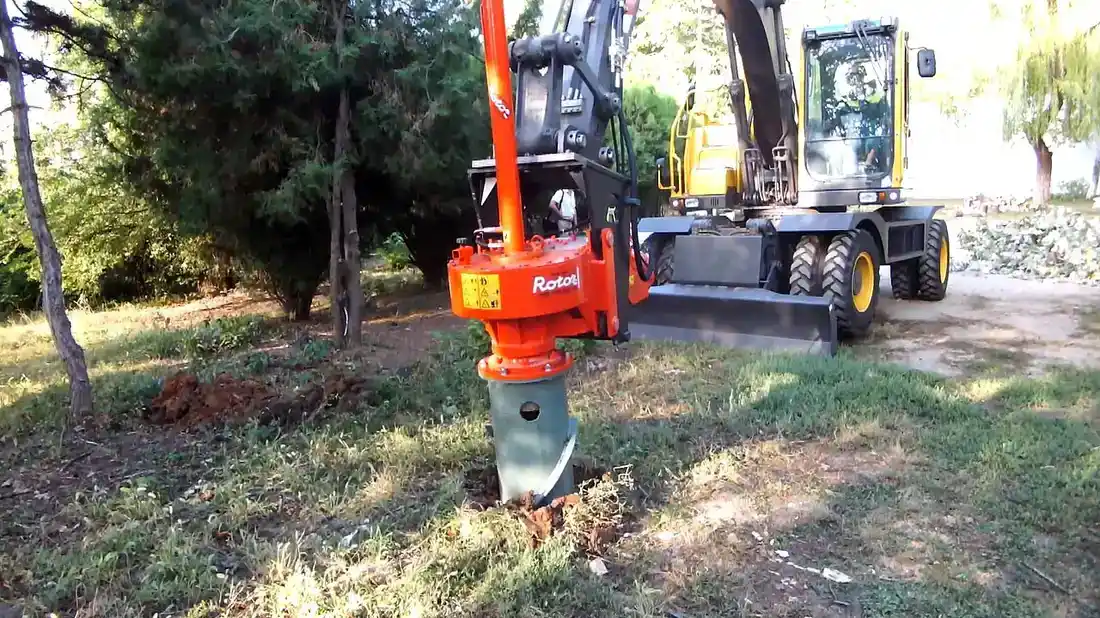
Soil comes off the plate, structural roots are cut in sequence, and the stump and ball are lifted or sectioned out under control.

Backfill and finish as agreed

The hole is backfilled in compacted lifts or left open for construction, the wood hauled, and the ground left ready for its next job.

Doing It Yourself vs a Professional

The DIY Route

  • A pickup, a chain and a stump is a contest the stump usually wins - after the bumper, the chain or the sprinkler line loses
  • Digging a root ball out by hand is a multi-day excavation that most owners abandon at the 'saucer' stage, worse than the start
  • Burning or burying a stump under fill does not remove it - it schedules its settling and fungus for the next owner
VS

The Professional Route

  • Starts by arguing the grinding case honestly - removal is sold only where the ground requires it
  • Runs the excavation around a real locate map, not around optimism
  • Backfills in compacted lifts and owns the settling conversation up front

Keep It From Coming Back

Full removal is rare enough that prevention is mostly about never needing it twice: plant the next tree where its roots will never meet a foundation, a line or a patio's future. The list below is that forward thinking, written down.

  • Choose the stump's fate when the tree is felled - the removal conversation costs least while the crew is already there.
  • Tell future plans honestly at the walk (pool, addition, planting) - they decide grinding versus removal outright.
  • Never bury a root ball under new construction to save a day; it settles for a decade and sends the bill later.
  • After backfilling, expect and allow for some settling; a return top-up after the first wet season is normal craft.
  • Keep the locate marks alive until the dig is done - paint fades, flags walk away with curious kids.
Stump Removal in the Surrounding Communities

The communities around Wichita share its storm tracks and its ice - with their own twists of storm history, acreage timber and open-country wind.

Stump Removal in Clearwater

Clearwater is a small railroad-era city southwest of Wichita on the Chikaskia River, with a historic downtown and a mix of older homes and new subdivisions drawing commuters to the metro. Its older streets keep a small-town canopy of elm and hackberry planted generations back.

Stump Removal in Mulvane

Mulvane is an old railroad town south of Wichita on the Arkansas River, with a preserved Main Street and depot, newer growth near the Kansas Star Casino, and a strong small-city identity. The river's bottomland timber frames the town on its low sides.

Stump Removal in Rose Hill

Rose Hill is a growing Butler County town southeast of Wichita, where newer subdivisions and acreage homes have spread around its schools. It draws families who want country space within commuting range - and its trees split between new plantings and old farm timber.

Stump Removal in Bel Aire

Bel Aire is a growing city on Wichita's north edge, built around lakes, parks and newer subdivisions along the K-254 corridor. It has grown from a small community into one of the metro's active family suburbs, planting its canopy as it goes.

Where Stump Removal Is Needed Most

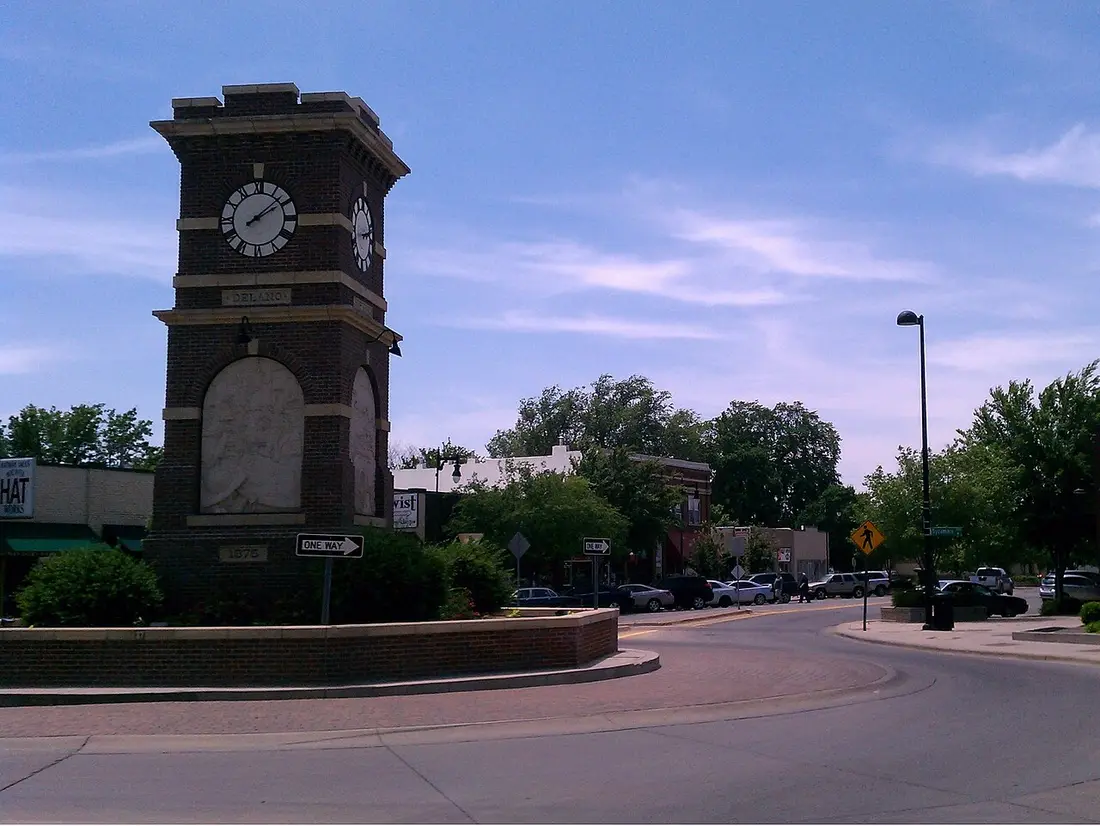
In the historic core and the east side - Riverside, College Hill, Eastborough, Downtown Wichita, Old Town and Delano, Midtown, South Wichita, Planeview, Oaklawn - the canopy runs from Wichita's oldest planted elms and oaks to the boom-decade ash and pear of the postwar subdivisions, and stump removal follows that record: heritage structure work on the older streets, species failure calendars in the subdivisions, and wind exposure that grows toward the open edges.

Across the east and west growth sides and the north side - East Wichita, Northeast Wichita, Uptown Wichita, West Wichita, Southwest Wichita, Auburn Hills and North Wichita, Benjamin Hills, Northwest Wichita, Derby, Andover, Haysville - sit the subdivision waves of the 1970s onward, the growth-edge neighborhoods and some of the county's busiest storm tracks, which together make this the steadiest stump removal territory in the city.

Beyond the city line, the same work runs in Clearwater, Mulvane, Rose Hill, Bel Aire, Park City, Valley Center, Kechi, Maize, Goddard, Newton, Hutchinson - railroad towns, fast-growing suburbs and county-seat communities where acreage timber, shelterbelts and open-country exposure add their own chapters. Every one of these area pages carries the local detail for stump removal in that community.

Coverage, In Full

Stump Removal runs across the whole service map: Riverside, College Hill and Eastborough; Downtown, Old Town, Delano and Midtown; East Wichita, the northeast growth edge and Uptown; South Wichita, Planeview and Oaklawn; the west side, Southwest Wichita and Auburn Hills; North Wichita, Benjamin Hills and Northwest Wichita; and beyond the city in Derby, Andover, Haysville, Clearwater, Mulvane, Rose Hill, Bel Aire, Park City, Valley Center, Kechi, Maize, Goddard, Newton and Hutchinson. One call covers all of it - the local pages above carry the detail for each. If your street is not named here, call anyway: routes grow with demand, and most Sedgwick County addresses are already within reach of a scheduled run.

From the Wichita Tree Guides

Stump Grinding vs Stump Removal: Which Does Your Yard Need?

Grinding retires the stump below grade without tearing the yard apart - it answers most yards; removal evicts the whole root ball, and answers ground that must be provably clear. Decide by the ground's next job: lawn and beds take grinding; foundations, pools, and an exact-footprint replanting take removal - everything else is taste and budget.

Read the Guide

What Tree Removal Costs in Wichita: The Factors

A removal figure is the sum of the tree's size, its condition, what stands under it, how equipment reaches it, and what happens to the wood - not a rate per tree. Get the scope in writing - method, wood disposition, stump standard - and compare scopes before totals; the bargain quote usually shrunk the scope, not the tree.

Read the Guide

Signs a Tree Is Dying: A Wichita Homeowner's Checklist

Trees announce their decline in order: the crown thins and shortens first, the trunk shows seams and fungus, the base tells the final truth - most owners read the list backwards. Stress is reversible and dying is structural; the checklist separates them, and the single best test is comparison - the tree against its own photographs from two years ago.

Read the Guide

Stump Removal Questions

How long does a full stump removal take?

A single landscape stump is usually a same-day job; big root plates in tight clay, or several stumps, can take longer. The excavation is the variable - dry clay digs slow and honest, sand digs fast and caves - and the backfill is part of the clock, not an extra.

Will removal damage the rest of my yard?

Excavation is honest work: the working zone will show it for a while, and access paths carry machine weight. Crews mat the routes and keep the dig as tight as the plate allows. The trade is stated up front - a disturbed work zone now, against ground that is clear for decades.

Can I keep the hole for a pond or planting?

By agreement, yes - the excavation can be left shaped rather than backfilled, for a water feature, a deep planting pit or a builder's footing. Left-open holes get a safety conversation and, where needed, a barrier, because an open root-plate pit is a genuine hazard to kids and pets.

What affects the cost of full stump removal in Wichita?

The root plate's size, the species and soil, access for excavation equipment, how close the work runs to structures and lines, and the finish you choose - compacted backfill, open hole, or builder-ready grade. It is the heaviest stump option and is priced like it, which is why the walk starts by testing whether grinding honestly answers the need.

Does my Wichita stump need removal, or is grinding enough?

Grinding is enough for the great majority: lawn, beds, fences, even most replanting with a modest offset. Removal earns its cost where the ground must be provably wood-free - foundations and pools, a new tree in the exact footprint, utility work through the root ball. The walk answers it by asking what the ground does next.

How big is the hole after a stump removal in Wichita?

Root-plate sized: commonly wider than the trunk by several feet in every direction and deep enough to surprise. That honesty is why the backfill plan is part of the scope, not an afterthought - compacted lifts now, a top-up after settling, and the ground genuinely ready for what follows.

Can the stump and roots near my Wichita foundation come out safely?

Yes, with method: the plate is exposed by excavation, roots are cut back from the structure in sequence, and the mass is sectioned rather than wrenched, so nothing levers against the foundation on its way out. Roots already inside a line or under a footing are handled with the plumber or builder in the same conversation.

What happens to the removed stump and root ball in Wichita?

It leaves with the crew. Root balls are soil-bound and cannot go through a chipper like clean brush, so they are hauled for disposal or processing as the scope states. Nothing gets buried elsewhere on your property - that is just moving the problem's address.

Please note: Wichita Tree Service is an independent directory and referral service, not a tree service contractor. The professionals reachable through this site are independent businesses; any agreement for work is between you and the professional you engage. Service information on this site is general educational material - the scope of any real tree work is set by an on-site inspection.

A Dead Limb Over the Roof, a Leaning Trunk or Storm Debris in the Yard?

One call connects you with a tree care professional serving Wichita and the surrounding communities - assessment, trimming, removal and cleanup.

📞 Call Now
📞 Call Now