Tree Trimming & Pruning in Northeast Wichita
Tree Trimming & Pruning for Northeast Wichita homes - local conditions, a clear process, and one call to get it started.
Homes here share more than a ZIP: they share wind, storm tracks and the canopy both produce.
Ask what separates the Northeast Wichita trees that shed limbs every year from the ones that never do, and the answer is rarely the species. It is the cut history: trees raised on structural pruning carry their weight the way the wood wants to carry it; trees raised on neglect - or on topping - carry it the way gravity prefers.
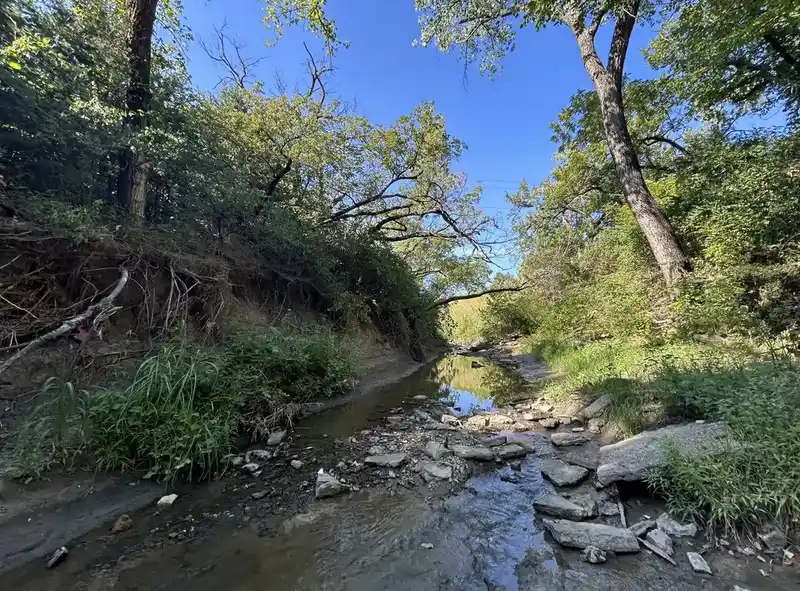
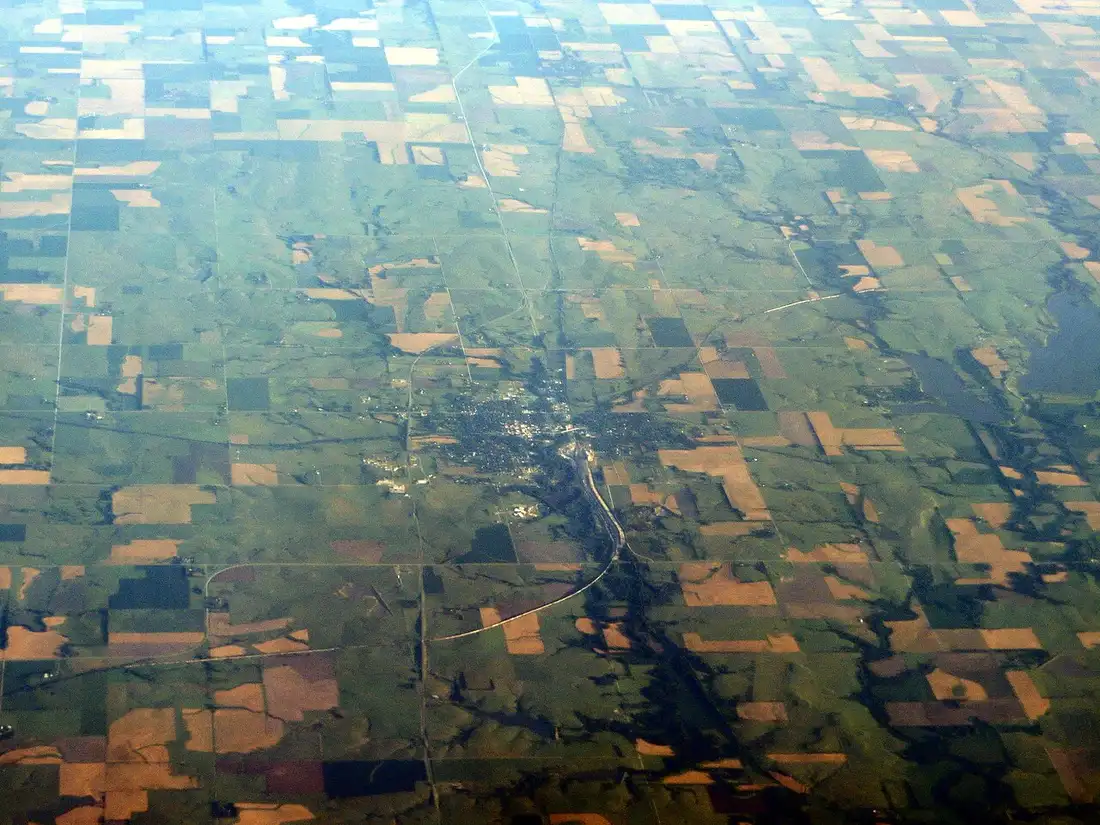
Northeast Wichita is the city's newer growth edge along K-96 and Greenwich, where subdivisions from the 1990s onward mix with shopping at Bradley Fair and the Chisholm Creek green spaces. Its trees are young - builder plantings and creek-corridor natives - growing up in full plains exposure.
No two Wichita neighborhoods grow the same canopy. 1990s-2010s suburban homes with young, fast-growing landscape trees and creek-side native stands - and that shapes the tree work directly. Young trees, hard country: northeast plantings grow up with no shelter, so wind shapes them from the start - and fast species planted for instant shade (Bradford pear, autumn blaze maple, green ash) carry their failure dates with them. For tree trimming & pruning in Northeast Wichita, trimming calls here read the structure first - deadwood, crossings and clearance decide the cut list.
The blocks around the Chisholm Creek corridor and Bradley Fair show Northeast Wichita in miniature - the canopy age, the wind path, the lot pattern, all readable from one corner.
Signs Northeast Wichita Homes Need Tree Trimming & Pruning
A crown too dense to see through
An unthinned crown is a sail: it catches the wind's full force and shades out its own interior.
Limbs low over roof and street
Branches resting on shingles, scraping in wind, or hanging into the clearance the street and sidewalk need - contact damage happens a storm-season rub at a time.
Suckers and watersprouts everywhere
Crowds of weak vertical shoots - especially after an old topping cut - are stress growth: fast, poorly attached, and first to tear out in ice.
Why This Work Runs in Northeast Wichita
Pruning is applied biology. Every cut tells the tree where to grow next, and cuts made at the branch collar - where the tree can wall off the wound - heal in a way flush cuts and stubs never do. A Wichita pruning plan reads the tree's structure first and the owner's sightlines second, because the structure is what the storm will read.
Young trees, hard country: northeast plantings grow up with no shelter, so wind shapes them from the start - and fast species planted for instant shade (Bradford pear, autumn blaze maple, green ash) carry their failure dates with them. Chisholm Creek's cottonwoods and willows outgrow their banks. Training cuts on young trees here pay off more than anywhere in the city.
In Northeast Wichita, that plays out street by street - for trimming, watch the deadwood, the crossing limbs and the clearance gaps closing. The Northeast Wichita detail that matters most is easy to miss from the street: what the blocks behind the Chisholm Creek corridor and Bradley Fair are doing with canopy age and exposure.
Winter's other story is structure. Bare crowns show everything the leaves hid: the co-dominant stems, the included bark, the old topping cuts growing out into weak, crowded regrowth. Snow is rarely the problem here - it melts in days - but ice coats every one of those defects in weight. The winter read is about structure: that is where the season files its claims.
Wichita visits run on storm time in one respect: the season outside the door shapes the advice inside it. A spring call is about storm readiness; a summer call is about borer sign and drought; a fall call is about the assessment window. Same house, same tree - four different correct visits across the year.
As the season turns, the work in Northeast Wichita shifts from the crown to the calendar: what the spring opened, the fall must assess before the ice starts its own testing.
Homeowners in Northeast Wichita ask what they should do before the visit. The answer is access, not cleanup: clear the gates, the side yards and the drop zones, and secure the pets. The evidence should stay exactly where it is.
How Tree Trimming & Pruning Works in Northeast Wichita
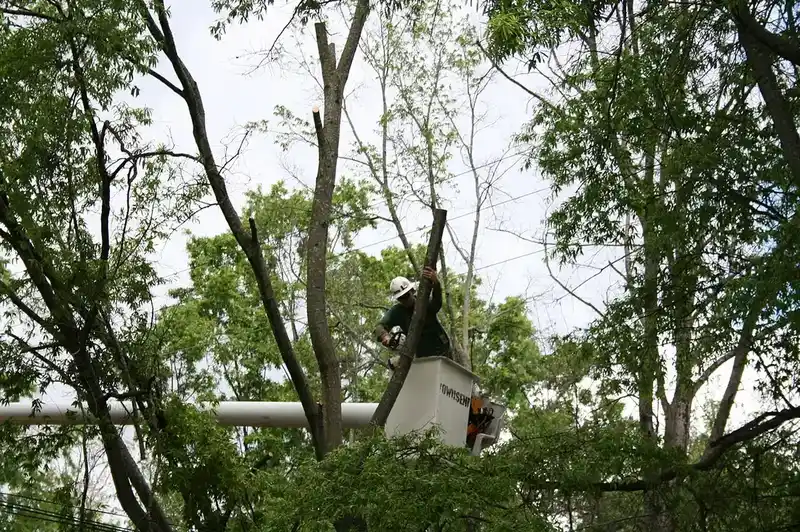
The full step-by-step process for this service - inspection, scope, the work itself and follow-up - is laid out on the main Tree Trimming & Pruning page. In Northeast Wichita the same sequence runs with the local map in hand: the canopy around the Chisholm Creek corridor and Bradley Fair, the housing pattern described above, and the exposure this neighborhood actually carries.
The Northeast Wichita Angle
In Northeast Wichita, the job starts from the ground truth of the neighborhood - the blocks near the Chisholm Creek corridor and Bradley Fair, the age of the plantings, and the exposure the terrain hands it. Housing here tells the arborist where to look first. 1990s-2010s suburban homes with young, fast-growing landscape trees and creek-side native stands.
The tree side of the equation is just as local. Young trees, hard country: northeast plantings grow up with no shelter, so wind shapes them from the start - and fast species planted for instant shade (Bradford pear, autumn blaze maple, green ash) carry their failure dates with them. Chisholm Creek's cottonwoods and willows outgrow their banks. Training cuts on young trees here pay off more than anywhere in the city. Which is the whole method: read Northeast Wichita first, then do tree trimming & pruning work that fits what the reading found.
Northeast Wichita does not sit alone on the map. It weathers the same storms as East Wichita, Bel Aire and Eastborough - the same cells cross the county, the same wind works the same canopies, and the same seasons move through all of them within the same few weeks. Read together, these neighborhoods tell one story - and this service is the chapter most of them eventually need.
On the route map, Northeast Wichita sits in the wichita neighborhood group, ZIP 67220 - close enough to East Wichita, Bel Aire that crews work them on the same runs. That local memory is the quiet advantage of route-based work in Northeast Wichita.
There is a pattern to when Northeast Wichita calls, and it is not random: the first hard wind after a wet spring, the first ice after a wet fall. Both find the same defects, and both are predictable - which is the entire argument for the assessment that happens between them.
Prevention That Helps in Northeast Wichita
- Never allow topping; ask for reduction cuts to suitable laterals instead.
- Prune young trees every two to three years - small cuts build the structure that big cuts later cannot.
- After any storm, look up: the hanger you spot in June is the limb that falls in October.
1990s-2010s suburban homes with young, fast-growing landscape trees and creek-side native stands.
Keep Exploring
Tree Trimming & Pruning nearby:
- Tree Trimming & Pruning in East Wichita
- Tree Trimming & Pruning in Bel Aire
- Tree Trimming & Pruning in Eastborough
- Tree Trimming & Pruning in Park City
More services in Northeast Wichita:
- Stump Removal in Northeast Wichita
- Tree Removal in Northeast Wichita
- Stump Grinding in Northeast Wichita
- Debris & Firewood Removal in Northeast Wichita
See the full tree care page for Northeast Wichita and the Tree Trimming & Pruning overview for Wichita.
Tree Trimming & Pruning in Northeast Wichita - Questions
When is the best time to trim trees in Northeast Wichita?
Late winter, for most species: dormant wood, visible structure, and the work finished before storm season. Oaks belong in the cold months specifically, because the beetles that carry oak wilt fly in the warm ones. Deadwood, hangers and hazards ignore the calendar - they come off whenever they are found.
Will pruning help my Northeast Wichita tree survive storms?
It is the single most effective preparation there is. Removing deadwood, reducing end weight on long limbs, correcting co-dominant unions and easing a sail-dense crown all lower the storm's leverage on the tree. No pruning makes a tree storm-proof - it makes the tree's failure less likely and less costly when the big wind comes.
How is Tree Trimming & Pruning priced for a home in Northeast Wichita?
By the tree, not the address: its size and species, its condition, the targets around it, the access for equipment, and the scope you approve. The explanation comes before any work begins, and the scope in writing is what the work follows.
A Dead Limb Over the Roof, a Leaning Trunk or Storm Debris in the Yard?
One call connects you with a tree care professional serving Wichita and the surrounding communities - assessment, trimming, removal and cleanup.
📞 Call Now