Tree Health & Disease Treatment in East Wichita
Tree Health & Disease Treatment for East Wichita homes - local conditions, a clear process, and one call to get it started.
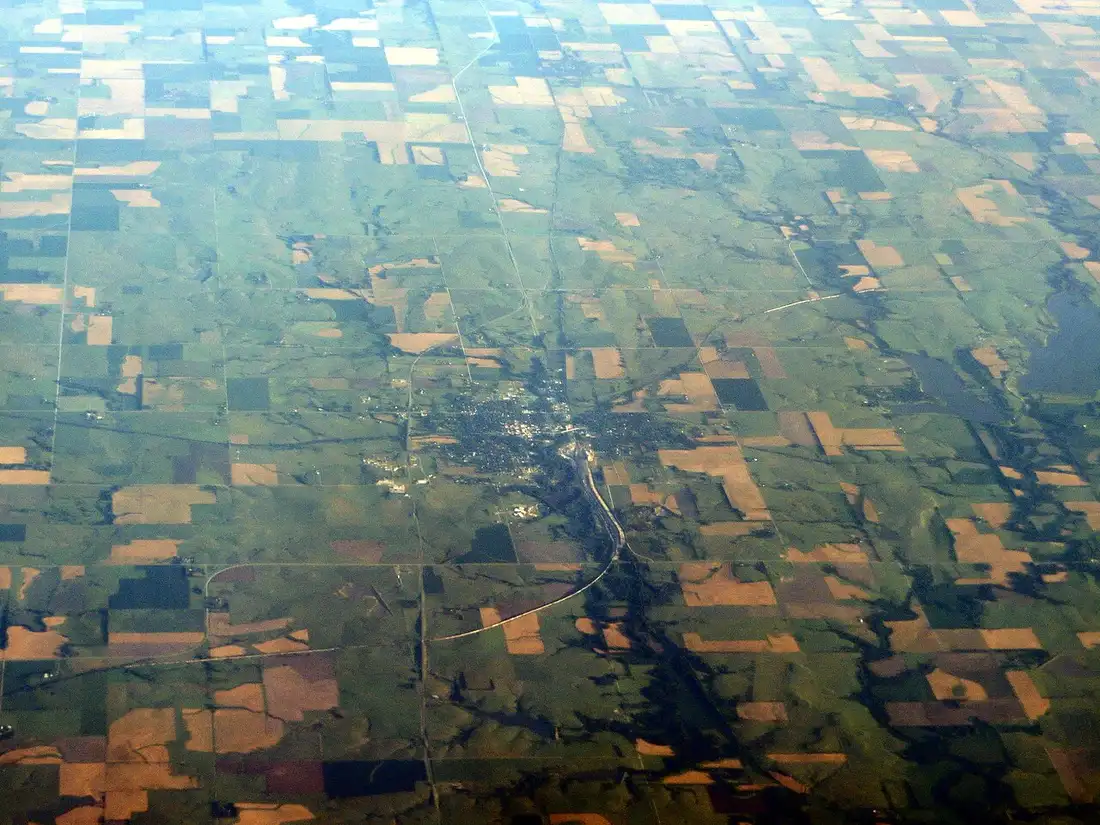
Around the Rock Road and Kellogg corridor, the calls follow a rhythm the whole neighborhood recognizes.
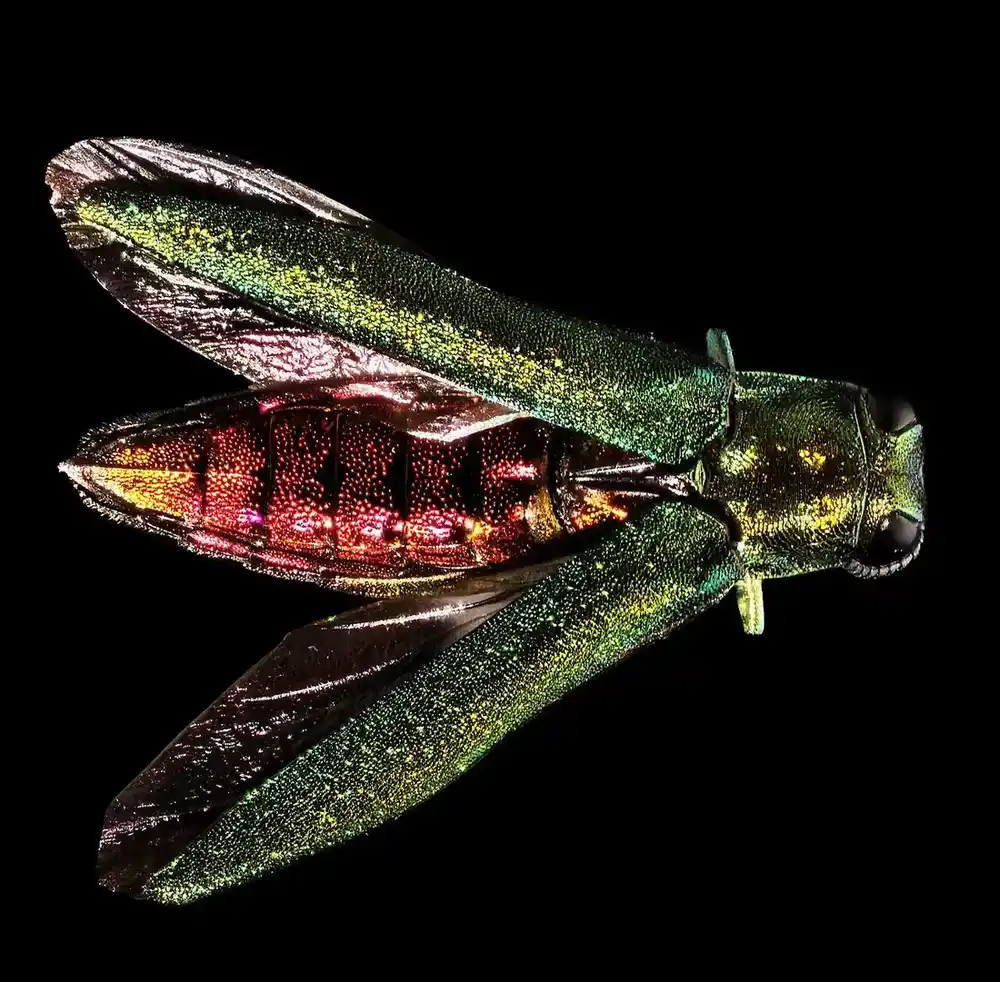
Kansas trees fight a named list of enemies in East Wichita: the emerald ash borer spending ash from inside, oak wilt moving through root grafts, iron chlorosis yellowing the pin oaks in alkaline ground, bagworms and borers and cankers working the weakened. Each has a season, a signature and a window in which treatment actually works.
East Wichita is the city's retail and suburban east side, built out from the 1960s through the 1990s along Rock Road and Kellogg. Subdivisions of brick homes, Towne East shopping and Bradley Fair at its northeast edge mark the area - and its trees are the planned plantings of those decades, now grown to full suburban size.
Local conditions shape the work here. 1960s-1990s brick ranch and two-story suburban homes, with developer-planted yard and street trees - and that shapes the tree work directly. Boom-decade plantings reach mature size together: pin oaks yellowing with iron chlorosis in the alkaline soil, Bradford pears planted by the street-load in the 1980s now splitting at their weak unions, and ash street trees standing in the borer's path. For tree health & disease treatment in East Wichita, health calls here read the crown's thin spots, the bark and the soil before any treatment.
The local equation starts at the Rock Road and Kellogg corridor: how the land lies, how the houses sit, how the trees hang over them - three facts that decide most of the work.
Signs East Wichita Homes Need Tree Health & Disease Treatment
Ash with a thinning, dying-back crown
The emerald ash borer's signature is written top-down: the upper crown thins, bark splits over galleries, woodpeckers fleck the trunk for the larvae inside.
Cankers, oozing and cracked bark
Sunken, discolored patches that weep or crack are the tree's infections made visible - bacterial, fungal or the aftermath of storm wounds.
A tree that just is not thriving
Stunted leaves, early fall color, slow decline with no single villain: usually the root zone - compaction, grade changes, girdling roots, drought.
Why This Work Runs in East Wichita
Soil is the quieter half of tree medicine here. Wichita's alkaline clays lock iron away from the species that crave it, construction compacts root zones into pavement-grade density, and grade changes bury root flares a fatal foot deep. Air-spade excavation, vertical mulching, flare recovery and honest watering plans cure more Wichita trees than any spray ever sold - because more Wichita trees are dying of their ground than of their pests.
Boom-decade plantings reach mature size together: pin oaks yellowing with iron chlorosis in the alkaline soil, Bradford pears planted by the street-load in the 1980s now splitting at their weak unions, and ash street trees standing in the borer's path. East Wichita tree work is a wave of same-age problems arriving on the same schedule.
In East Wichita, that plays out street by street - for tree health, watch the drip line - chlorosis, thin crowns and early fall color live there. Local knowledge, East Wichita edition: the storm track, the wind path and the species calendar all vote on when this work is needed.
Deep summer rearranges priorities. Drought stress tests the young plantings and the tight-soiled street trees first - curled leaves, early color, dieback at the crown's edges - and any storm-weakened union begins to open under full leaf weight. Trees read in July are trees understood honestly: nothing hides under a full Kansas sun.
On the day, expect the visit to start with questions and a walk-around, not a saw. The arborist confirms the problem, shows you the evidence - the crack, the thin quadrant, the fungus at the base - and explains the plan before any work begins, and you get the findings in writing when it is done.
In this part of the county the season is not background - it is the schedule. East Wichita yards that work a season ahead stay ahead.
Homeowners in East Wichita ask what they should do before the visit. The answer is access, not cleanup: clear the gates, the side yards and the drop zones, and secure the pets. The evidence should stay exactly where it is.
How Tree Health & Disease Treatment Works in East Wichita
The full step-by-step process for this service - inspection, scope, the work itself and follow-up - is laid out on the main Tree Health & Disease Treatment page. In East Wichita the same sequence runs with the local map in hand: the canopy around the Rock Road and Kellogg corridor, the housing pattern described above, and the exposure this neighborhood actually carries.
The East Wichita Angle
Ask anyone who works trees in East Wichita and they will tell you the pattern repeats: the storm losses, the species failures, and the seasons grade the result. Housing here tells the arborist where to look first. 1960s-1990s brick ranch and two-story suburban homes, with developer-planted yard and street trees.
The tree side of the equation is just as local. Boom-decade plantings reach mature size together: pin oaks yellowing with iron chlorosis in the alkaline soil, Bradford pears planted by the street-load in the 1980s now splitting at their weak unions, and ash street trees standing in the borer's path. East Wichita tree work is a wave of same-age problems arriving on the same schedule. The result, when the work follows the map, is a healthier canopy and a shorter list of surprises next season.
East Wichita does not sit alone on the map. It weathers the same storms as College Hill, Eastborough and Andover - the same cells cross the county, the same wind works the same canopies, and the same seasons move through all of them within the same few weeks. Which is the last word on method here: read the neighborhood pattern, not just the tree that called.
On the route map, East Wichita sits in the wichita neighborhood group, ZIP 67207 - close enough to College Hill, Eastborough that crews work them on the same runs. That local memory is the quiet advantage of route-based work in East Wichita.
The county's weather writes the same test every year, and East Wichita sits it in public: storm month, drought month, ice month. The trees that pass were not luckier - they were read earlier, cut correctly and checked again after.
Prevention That Helps in East Wichita
- Prune oaks in winter only, and paint oak wounds immediately in the growing season if they happen - oak wilt discipline is cheap and absolute.
- Water deeply in drought, especially young trees and chlorotic ones; a stressed tree is every pest's invitation.
- Buy local firewood and move none from infested ground - the borer travels in the firewood pile farther than it flies.
1960s-1990s brick ranch and two-story suburban homes, with developer-planted yard and street trees.
Keep Exploring
Tree Health & Disease Treatment nearby:
- Tree Health & Disease Treatment in College Hill
- Tree Health & Disease Treatment in Eastborough
- Tree Health & Disease Treatment in Andover
- Tree Health & Disease Treatment in Northeast Wichita
More services in East Wichita:
- Cabling & Bracing in East Wichita
- Debris & Firewood Removal in East Wichita
- Hedge & Shrub Trimming in East Wichita
- Stump Grinding in East Wichita
See the full tree care page for East Wichita and the Tree Health & Disease Treatment overview for Wichita.
Tree Health & Disease Treatment in East Wichita - Questions
Can my East Wichita ash tree be saved from the emerald ash borer?
If its crown is still substantially full and its structure sound, a systemic treatment program can protect it indefinitely, renewed on its multi-year cycle. If the borer has taken a third or more of the crown, treatment rarely restores it, and the honest money goes to removal and replanting. The assessment measures the crown and the borer sign, and the answer follows the measurement - which is why the look should happen before the thinning you can see from the street.
Is oak wilt in East Wichita, and how do I protect my oaks?
Oak wilt is established in Kansas and moves two ways: beetles carrying spores to fresh wounds in the warm months, and root grafts between neighboring oaks underground. Protection is discipline - prune only in winter, paint any warm-season wound the day it happens, and never move oak firewood from a dead tree. A wilting red oak in June is a call-now diagnosis; whites resist longer, reds can die in weeks.
How does Tree Health & Disease Treatment work around the Rock Road and Kellogg corridor?
The landmark matters because it concentrates the pattern - exposure, storm paths, and the neighborhood's planting era in one place. Tree Health & Disease Treatment visits in East Wichita read that pattern first: where the wind, ice and decline gather, the tree work follows, and the scope is drawn from it.
A Dead Limb Over the Roof, a Leaning Trunk or Storm Debris in the Yard?
One call connects you with a tree care professional serving Wichita and the surrounding communities - assessment, trimming, removal and cleanup.
📞 Call Now