Tree Removal in South Wichita
Tree Removal for South Wichita homes - local conditions, a clear process, and one call to get it started.
Ask what makes tree removal local in South Wichita and the answer is geography: the same trade, a different map.
A tree in South Wichita is ready for removal when the risk math flips - when the trunk is splitting, the crown is dead, or the lean grows a little more with every storm. Removal done at the right time, in the right order, is the one tree decision that ends the worry instead of postponing it to a worse day.
South Wichita grew along the Pawnee and Broadway corridors as a working-class side of the city, with Pawnee Prairie Park and the Cowskin Creek greenbelt at its heart. Its tree story is a storm story: the May 1999 tornado and the April 2012 tornado both crossed this side of town, and the canopy has been regrowing - and being replanted - ever since.
Local conditions shape the work here. Postwar ranch and minimal-traditional homes, many re-landscaped in waves after the storm years - and that shapes the tree work directly. Two tornado paths crossed here thirteen years apart, so South Wichita's trees come in age bands: the pre-1999 survivors, the post-1999 plantings now at mid-size, and the fast fill-ins - Bradford pears and silver maples - planted for quick shade that are now splitting on schedule. For tree removal in South Wichita, removal calls here read the lean, the unions and the targets before a saw starts.
The blocks around Pawnee Prairie Park along the Cowskin Creek show South Wichita in miniature - the canopy age, the wind path, the lot pattern, all readable from one corner.
Signs South Wichita Homes Need Tree Removal
Fungus, hollow or soft wood
Conks at the base, a trunk that sounds hollow, or wood that gives under a probe mean the structure is being spent from inside.
A lean that is growing
Trees lean toward light and stay; trees whose roots are failing lean more each year, with soil heaving on the opposite side.
Storm damage beyond repair
A trunk split by wind, a crown torn past its balance point, or a tree uprooted and reset by a storm crew's hope - some damage is a removal that has already happened, standing up.
Why This Work Runs in South Wichita
Removal decisions in Wichita are driven by storm history more than by birthdays. A tree does not usually fail here in one event - it collects ice cracks, wind fatigue and drought stress year by year, and then one hard storm collects the debt all at once, usually onto the nearest target.
Two tornado paths crossed here thirteen years apart, so South Wichita's trees come in age bands: the pre-1999 survivors, the post-1999 plantings now at mid-size, and the fast fill-ins - Bradford pears and silver maples - planted for quick shade that are now splitting on schedule. Storm-weakened trees that were never assessed are the standing risk.
In South Wichita, that plays out street by street - for removals, watch the fork unions, the lean and the targets the tree would land on. On the South Wichita run, crews read the bases first - the fungus and flare story is the fastest route to the truth in this neighborhood.
Spring is storm season in Wichita, and it is tree season too. From March into June, supercell thunderstorms roll off the plains with damaging wind, and the trees that get a structural look before the season are the ones that come through it standing. Late spring is also when winter's hidden damage declares itself - limbs that died under ice, crowns that leaf out thin, and borers resuming their work in the ash.
Two things decide how much a visit accomplishes: access and honesty. Access means the crew can reach the trees, the gates and both side yards. Honesty means the full history - the limb that fell two summers ago, the crack that opened last winter, the treatment from three owners back. With both, the first visit usually settles the diagnosis for good.
The turning season rearranges exposure in South Wichita: the union that took the June wind is the union the first ice will interview in December.
Do not cut anything before the visit. A fresh amateur cut over a defect buries the evidence and can turn a one-visit diagnosis into two. Photograph what you see instead - a phone photo is the most useful thing you can hand an arborist.
How Tree Removal Works in South Wichita
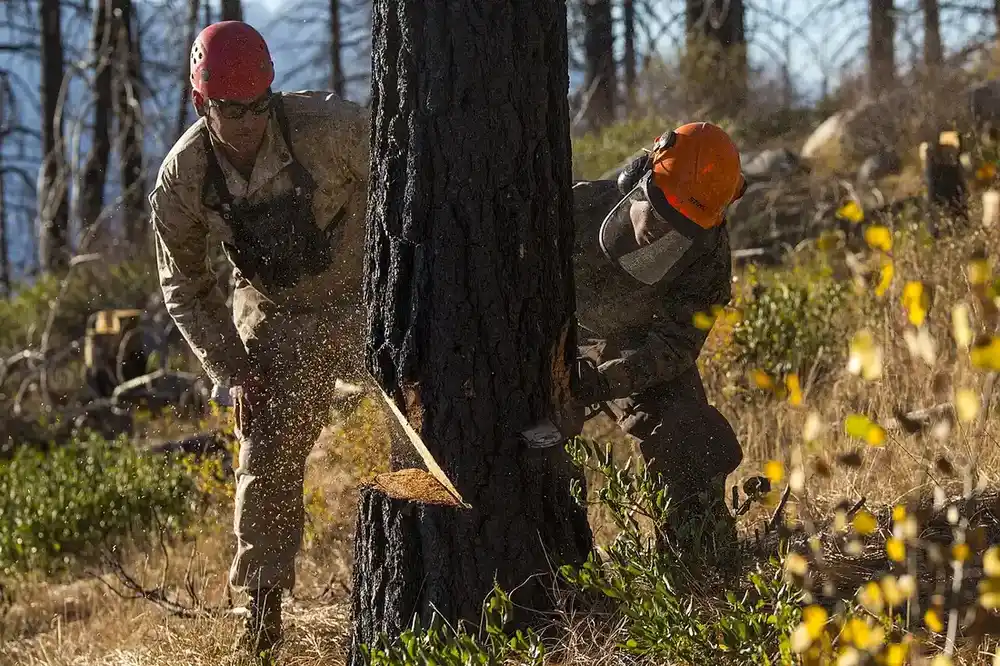
The full step-by-step process for this service - inspection, scope, the work itself and follow-up - is laid out on the main Tree Removal page. In South Wichita the same sequence runs with the local map in hand: the canopy around Pawnee Prairie Park along the Cowskin Creek, the housing pattern described above, and the exposure this neighborhood actually carries.
The South Wichita Angle
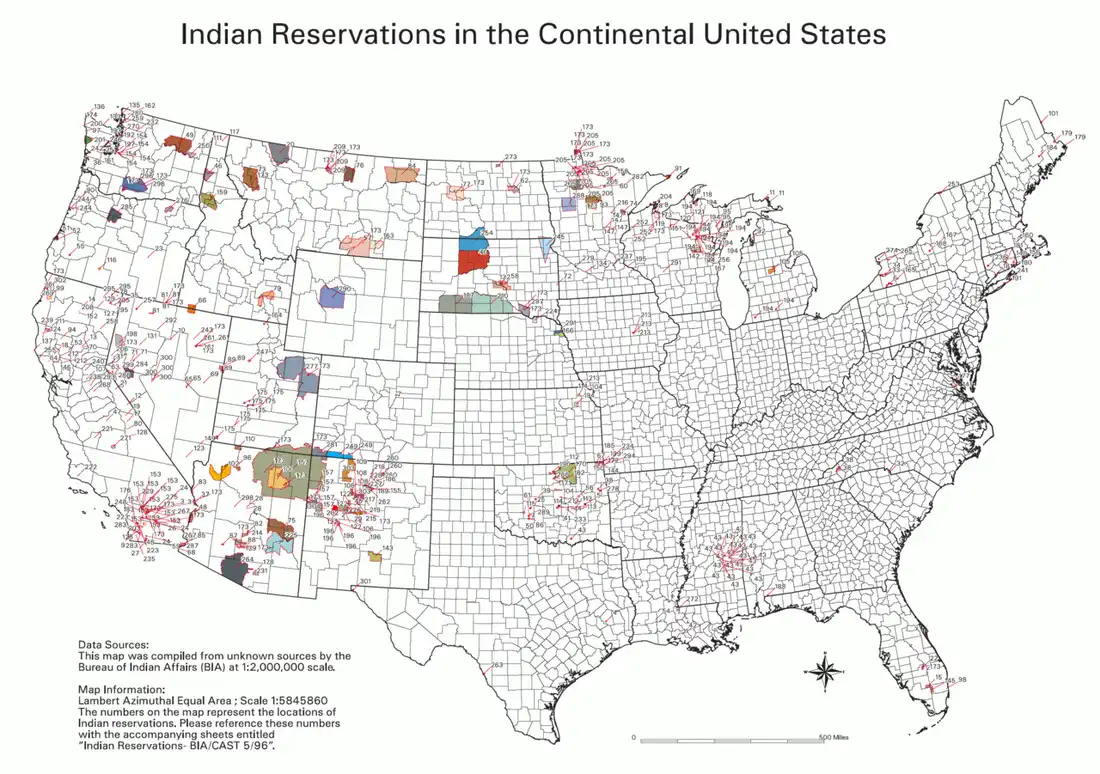
Start with the map of South Wichita: the streets around Pawnee Prairie Park along the Cowskin Creek set the daily pattern - wind path, ice load and storm history in the same few blocks. Housing here tells the arborist where to look first. Postwar ranch and minimal-traditional homes, many re-landscaped in waves after the storm years.
What the neighborhood planted, aged and patched fills in the rest. Two tornado paths crossed here thirteen years apart, so South Wichita's trees come in age bands: the pre-1999 survivors, the post-1999 plantings now at mid-size, and the fast fill-ins - Bradford pears and silver maples - planted for quick shade that are now splitting on schedule. Storm-weakened trees that were never assessed are the standing risk. That is why tree removal in South Wichita is planned from assessment rather than from a script - the visit reads this map before any scope is chosen.
South Wichita does not sit alone on the map. It weathers the same storms as Planeview, Oaklawn and Delano - the same cells cross the county, the same wind works the same canopies, and the same seasons move through all of them within the same few weeks. The borders on the map are postal, not meteorological - the weather commutes freely, so the tree care has to think in neighborhoods, not addresses.
On the route map, South Wichita sits in the wichita neighborhood group, ZIP 67211 - close enough to Planeview, Oaklawn that crews work them on the same runs. The route view is also the honest one: it is how the weather actually moves through South Wichita across a season.
The county's weather writes the same test every year, and South Wichita sits it in public: storm month, drought month, ice month. The trees that pass were not luckier - they were read earlier, cut correctly and checked again after.
Prevention That Helps in South Wichita
- Plant replacements away from roofs, lines and foundations so the next tree never becomes this problem.
- After major storms, get damaged trees read before deciding they 'survived' - survival and soundness differ.
- Have leaning, splitting and fungus-footed trees assessed while they are still standing on your schedule.
Postwar ranch and minimal-traditional homes, many re-landscaped in waves after the storm years.
Keep Exploring
Tree Removal nearby:
- Tree Removal in Planeview
- Tree Removal in Oaklawn
- Tree Removal in Delano
- Tree Removal in Southwest Wichita
More services in South Wichita:
- Hedge & Shrub Trimming in South Wichita
- Debris & Firewood Removal in South Wichita
- Tree Service in South Wichita
- Emergency Tree Service in South Wichita
See the full tree care page for South Wichita and the Tree Removal overview for Wichita.
Tree Removal in South Wichita - Questions
Can a tree in South Wichita be removed without wrecking the yard?
Yes - that is the normal method in Wichita's lots. The tree is climbed or reached by lift, taken apart in sections, and each piece is roped and lowered to a planned drop zone. Lawns and fences come through fine when the plan, not gravity, runs the job.
What happens to the wood after a removal in South Wichita?
Your call: hauled away entirely, cut into firewood lengths and stacked, or left as mulch from the chipped brush. Say which you want when the job is scoped - the choice changes the work, and surprises help nobody.
How does Tree Removal work around Pawnee Prairie Park along the Cowskin Creek?
The landmark matters because it concentrates the pattern - exposure, storm paths, and the neighborhood's planting era in one place. Tree Removal visits in South Wichita read that pattern first: where the wind, ice and decline gather, the tree work follows, and the scope is drawn from it.
A Dead Limb Over the Roof, a Leaning Trunk or Storm Debris in the Yard?
One call connects you with a tree care professional serving Wichita and the surrounding communities - assessment, trimming, removal and cleanup.
📞 Call Now