Wichita Tree Services

Arborist Services in Wichita, KS

Arborist services in Wichita - diagnosis, risk assessment, health plans and honest second opinions for the trees of Sedgwick County, from a borer check to a preservation plan.

Ice is the second force, and it is patient. The great Kansas ice storms load every limb with weight the wood never evolved to carry, and the failures they cause - split trunks, torn crowns, whole trees down - arrive in a single night across whole neighborhoods. Species with brittle wood and trees with included bark pay first, which is why the canopy's composition matters as much as its size.

The tree stock matches the city's history: American elm and hackberry in the old neighborhoods, ash planted heavily in the boom decades, Bradford pears and silver maples planted for fast shade, and cottonwood, pecan and walnut timber along the river corridors. Each carries its own Wichita fate - the borer for the ash, the split for the pears, the shed limb for the cottonwoods - and the pages here are organized around exactly that.

Signs You Need Arborist Services

A tree declining and nobody knows why

Thin crowns, dieback and early leaf drop have causes - roots, borers, disease, soil, drought - and the treatments differ completely by cause. Guessing is how treatable trees get removed and doomed trees get fed.

A big decision pending on a big tree

Removal quotes, a construction plan, a sale, a dispute - any decision with real money or real shade attached deserves an independent structural and health read first.

Cracks, cavities or fungus you can see

Visible defects are the tree reporting its structure. An arborist grades them - cosmetic, monitor, act - instead of leaving you to price your own worry.

Construction planned near mature trees

Roots extend far past the drip line, and a trench or a grade change can kill a tree on a two-year delay. A preservation plan before the dig is the only version that works.

An ash tree you want to keep

Keeping an ash in Kansas is now a deliberate program - borer status, treatment timing, canopy thresholds. An arborist runs that program; hope is not a program.

A second opinion before a removal

When the only assessment comes from the party selling the removal, a second read is simple hygiene. Arborists confirm many removals - and save the trees that were never the problem.

Why Arborist Services Is a Standing Job in Wichita

Diagnosis in tree care follows the same discipline as medicine: symptoms are cheap, causes are what matter, and the same symptom - a thin crown - can mean borers in the trunk, girdling roots at the base, a compacted root zone, or a drought the tree has not forgiven. The arborist's craft is the differential: read the base, the trunk, the crown and the site, in that order, and let the evidence eliminate causes.

Risk assessment adds the other half: a tree is a structure standing over targets. The assessment weighs the likelihood of failure, the likelihood of the failed part reaching a target, and the target's value - which is why the same cracked elm is a monitoring case over a pasture fence and a removal case over a nursery school. Risk is a property of tree plus place, never of the tree alone.

The written word is the arborist's real tool. Reports with photographs, defect measurements and dated recommendations are what insurers accept, buyers trust, cities require and owners plan budgets around. Verbal wisdom evaporates at the property line; a dated arborist report is the tree's medical record, and it compounds in value every season it is kept.

Arborist Services Through the Wichita Year

Fall is the assessment and planting window. The severe season is past, the canopy shows its true structure as the leaves thin, and there is time to cable what can be kept, remove what cannot, and plant replacements while the soil is still warm. It is also when honest tree work happens, because a bare-crowned tree hides nothing from an arborist.

Spring is storm season in Wichita, and it is tree season too. From March into June, supercell thunderstorms roll off the plains with damaging wind, and the trees that get a structural look before the season are the ones that come through it standing. Late spring is also when winter's hidden damage declares itself - limbs that died under ice, crowns that leaf out thin, and borers resuming their work in the ash.

Wichita winters swing: bright mild weeks, then an ice storm or a hard freeze. Ice loads limbs past their breaking weight, frozen wood turns brittle, and the trees with split unions and dead tops are the ones that come down. Winter is the best pruning season here - structure is visible, disease pressure is low, and the trees read in winter get fixed before the spring storms interview them.

Arborist Services in Depth

An arborist's report reads a tree the way a good inspection reads anything: in layers of time. The crown says what the last few seasons did. The trunk and base say what the last decade did - every scar and seam a dated entry. The site says what the future is loading onto it. Put together, they produce the only number that matters for planning: not the tree's age, but its remaining safe life, part by part.

The report is the product. Photographs keyed to findings, defects measured, a priority order with reasons - that document is what an owner budgets from, what a buyer negotiates with, what an insurer works from after a storm, and what a court accepts when neighbors disagree. An assessment that ends in a verbal summary and a handshake delivers a fraction of that value, however sharp the assessor's eye was.

Choosing the Right Help

An arborist is chosen like any diagnostician: on independence and on paper. The assessment should be purchasable separately from the work it recommends, its findings photographed and measured, its recommendations ranked with reasons. If the same visit produces a diagnosis and a large removal quote with no written findings between them, you have not bought an assessment - you have attended a sales call with credentials.

The Climate Behind It

Wichita sits on the central Kansas plains where the Arkansas and Little Arkansas rivers meet, and plains weather writes the tree calendar here: spring severe storms with damaging wind, winters that deliver canopy-breaking ice, and long summer droughts broken by downpours. A tree in Wichita is not tested by one climate - it is tested by all of them, in turns, every year of its life.

Wind is the signature force. Kansas wind works at trees day after day - flagging crowns, fatiguing weak unions - and storm outflows arrive with gusts that collect on whatever the daily wind loosened. A tree's structure, built by its pruning history or its neglect, is its real storm rating, whatever species the tag said.

How Arborist Services Works

Walk and interview

The visit starts with your account of the tree - its changes, its history, the storms it has seen - while the arborist reads the site: soil, grade, drainage, targets.

Examine base to crown

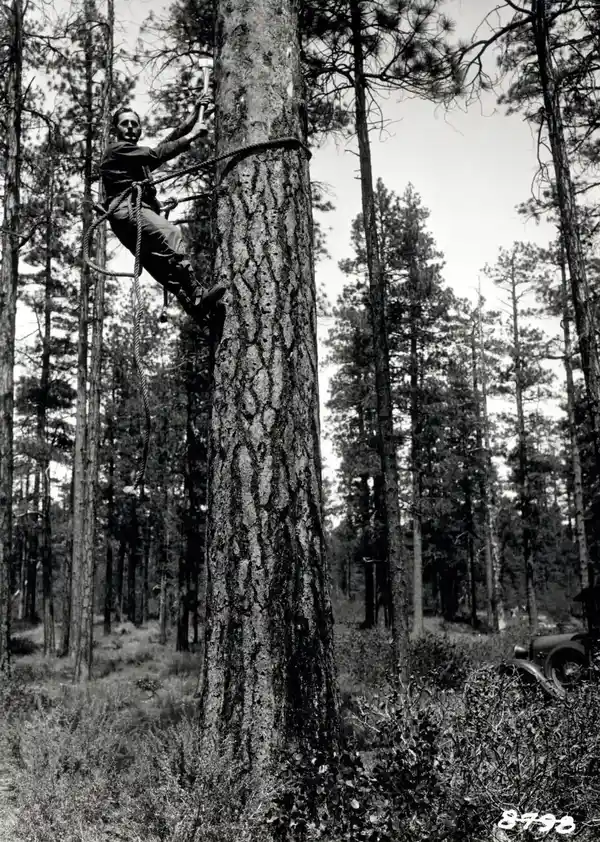
Root flare, trunk, unions, crown - measured and photographed where it matters, sounded and probed where decay is suspected.

State the verdict plainly

Health, structure and risk in plain language, with the reasoning shown - and the options ranked, including the option of doing nothing and what it costs in risk.

Deliver the plan in writing

Recommendations with a schedule: what now, what this season, what to monitor and when to look again. The document is yours to keep, quote and act on with any crew.

Doing It Yourself vs a Professional

The DIY Route

  • Treating a tree you have not diagnosed is fertilizing a guess - the borer does not care about the fertilizer
  • A cavity filled with concrete or foam, the old folk remedy, traps moisture and adds weight to decaying wood
  • Googling your tree's symptom finds the scariest answer first, which is a search strategy, not a diagnosis
VS

The Professional Route

  • Diagnoses base to crown and says what was ruled out, not just what was found
  • Puts it in writing - photos, measurements, dates - that any third party can rely on
  • Will tell you when the tree is fine, when the answer is water, and when nobody can save it

Keep It From Coming Back

An assessment pays best when the owner arrives ready to use it. The habits below turn a one-hour look into a working plan - and keep the trees' file complete between visits.

  • Keep every arborist report with the property file - dated tree records settle arguments years later.
  • Book the assessment before the decision, not after; a preservation plan written post-trench is an obituary.
  • For ash you intend to keep, start the borer conversation before symptoms - treatment protects, it does not resurrect.
  • Ask any tree bidder the diagnostic question first: 'what exactly is wrong with this tree?' The answer's quality is the bid's quality.
  • Re-assess mature trees over targets every few years; risk is a moving number, not a verdict for life.
Arborist Services in the Surrounding Communities

The communities around Wichita share its storm tracks and its ice - with their own twists of storm history, acreage timber and open-country wind.

Arborist Services in Clearwater

Clearwater is a small railroad-era city southwest of Wichita on the Chikaskia River, with a historic downtown and a mix of older homes and new subdivisions drawing commuters to the metro. Its older streets keep a small-town canopy of elm and hackberry planted generations back.

Arborist Services in Mulvane

Mulvane is an old railroad town south of Wichita on the Arkansas River, with a preserved Main Street and depot, newer growth near the Kansas Star Casino, and a strong small-city identity. The river's bottomland timber frames the town on its low sides.

Arborist Services in Rose Hill

Rose Hill is a growing Butler County town southeast of Wichita, where newer subdivisions and acreage homes have spread around its schools. It draws families who want country space within commuting range - and its trees split between new plantings and old farm timber.

Arborist Services in Bel Aire

Bel Aire is a growing city on Wichita's north edge, built around lakes, parks and newer subdivisions along the K-254 corridor. It has grown from a small community into one of the metro's active family suburbs, planting its canopy as it goes.

Where Arborist Services Is Needed Most

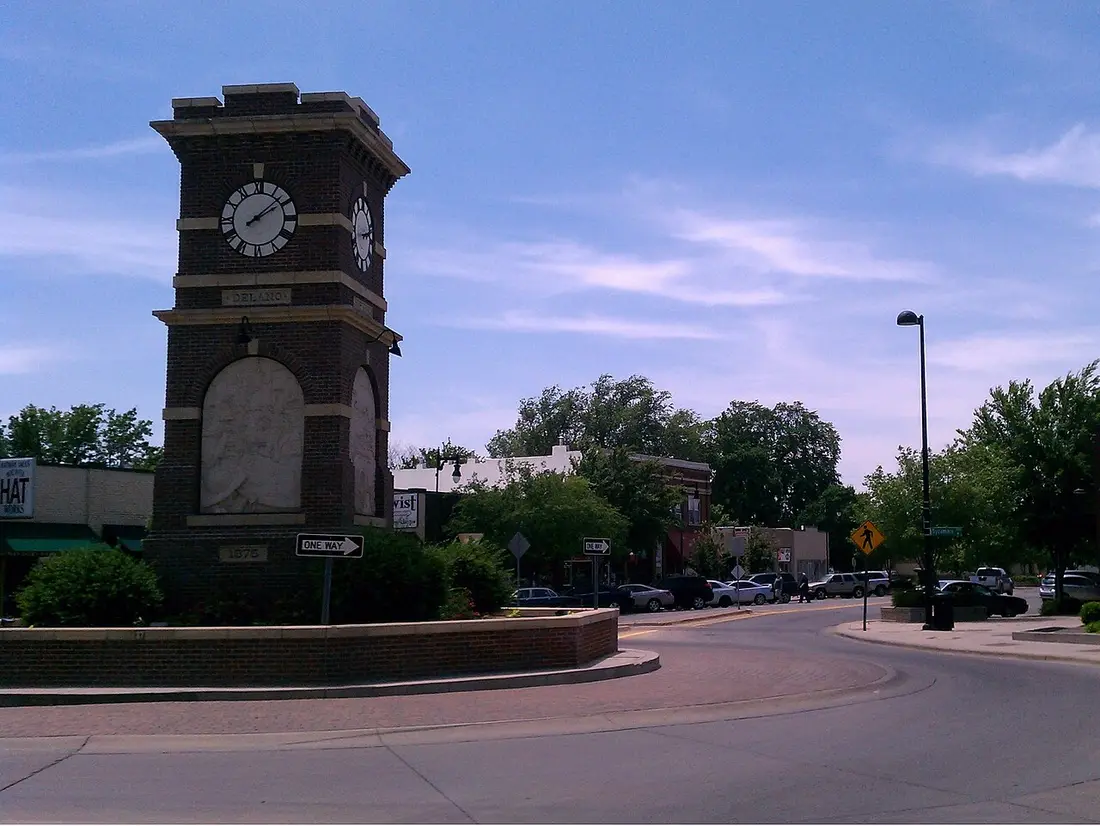
In the historic core and the east side - Riverside, College Hill, Eastborough, Downtown Wichita, Old Town and Delano, Midtown, South Wichita, Planeview, Oaklawn - the canopy runs from Wichita's oldest planted elms and oaks to the boom-decade ash and pear of the postwar subdivisions, and arborist services follows that record: heritage structure work on the older streets, species failure calendars in the subdivisions, and wind exposure that grows toward the open edges.

Across the east and west growth sides and the north side - East Wichita, Northeast Wichita, Uptown Wichita, West Wichita, Southwest Wichita, Auburn Hills and North Wichita, Benjamin Hills, Northwest Wichita, Derby, Andover, Haysville - sit the subdivision waves of the 1970s onward, the growth-edge neighborhoods and some of the county's busiest storm tracks, which together make this the steadiest arborist services territory in the city.

Beyond the city line, the same work runs in Clearwater, Mulvane, Rose Hill, Bel Aire, Park City, Valley Center, Kechi, Maize, Goddard, Newton, Hutchinson - railroad towns, fast-growing suburbs and county-seat communities where acreage timber, shelterbelts and open-country exposure add their own chapters. Every one of these area pages carries the local detail for arborist services in that community.

Coverage, In Full

Arborist Services runs across the whole service map: Riverside, College Hill and Eastborough; Downtown, Old Town, Delano and Midtown; East Wichita, the northeast growth edge and Uptown; South Wichita, Planeview and Oaklawn; the west side, Southwest Wichita and Auburn Hills; North Wichita, Benjamin Hills and Northwest Wichita; and beyond the city in Derby, Andover, Haysville, Clearwater, Mulvane, Rose Hill, Bel Aire, Park City, Valley Center, Kechi, Maize, Goddard, Newton and Hutchinson. One call covers all of it - the local pages above carry the detail for each. If your street is not named here, call anyway: routes grow with demand, and most Sedgwick County addresses are already within reach of a scheduled run.

From the Wichita Tree Guides

How Long Do Trees Live in Kansas?

The same species lives decades less in Kansas than in a calm climate - wind load, ice storms and drought spend a tree's life faster than time alone ever will. Know each species' realistic range, grade your trees by structure and health rather than birthday, and plan renewals and successions as the mid-life events they are.

Read the Guide

Signs a Tree Is Dying: A Wichita Homeowner's Checklist

Trees announce their decline in order: the crown thins and shortens first, the trunk shows seams and fungus, the base tells the final truth - most owners read the list backwards. Stress is reversible and dying is structural; the checklist separates them, and the single best test is comparison - the tree against its own photographs from two years ago.

Read the Guide

Arborist Services Questions

What is a tree risk assessment, exactly?

A structured judgment: the tree's defects and failure likelihood, the targets within reach, and the occupancy of those targets, combined into a risk rating with recommended actions and timelines. It converts 'I am worried about that elm' into a graded, dated, actionable document - the format cities and insurers work in.

Can an arborist treat emerald ash borer?

An arborist can run the whole program: confirm the diagnosis, judge whether the canopy is still sound enough for treatment to protect, apply or direct the trunk treatments on their multi-year cycle, and monitor. The hard rule of the borer is timing - treatment protects sound trees; it cannot rebuild a crown the borer has already taken.

Will an arborist work with my builder or landscaper?

That is a standard part of the trade: root-zone mapping before the dig, fencing and grade rules during the work, and a post-construction health plan. Trees survive construction routinely - when the plan is written before the excavator arrives, and mourned accurately when it is written after.

What affects the cost of arborist services in Wichita?

The number of trees, the depth of the read (a single-tree consultation against a full property inventory), any testing or climbing inspection required, and the report's formality. A neighborhood walk-through and a court-grade risk document are different instruments - the visit starts by asking what the findings must do for you.

What does an arborist do that a tree service does not, in Wichita?

The tree service performs work; the arborist's distinct product is the diagnosis and the plan - the independent determination of what your tree needs and why, in writing. Many arborists also direct or perform the work, but the assessment stands on its own: it can be handed to any crew, any insurer, any buyer, and it holds up.

Can an arborist save my declining Wichita tree?

If the decline has a treatable cause caught in time - soil compaction, drought stress, early borer arrival, a girdling root - often yes, and the plan says how. If the tree's structure is spent or the borer is advanced, the honest report says that instead, and spends your money on the removal and the replacement rather than on hope.

Do I need an arborist report for insurance or a sale in Wichita?

When a tree's condition is part of the conversation - storm claims, a disputed removal, a heritage tree in a property sale, a neighbor dispute - a dated, photographed arborist report is the document every side accepts. Verbal opinions settle none of those; the report exists precisely for them.

How often should mature Wichita trees be assessed?

Every two to three years for mature trees, annually for large trees over houses and high-value targets, and after any event that changes the picture - a major storm, nearby construction, a new crack or lean. Trees change slowly until they change fast; the schedule exists to catch the turn.

Please note: Wichita Tree Service is an independent directory and referral service, not a tree service contractor. The professionals reachable through this site are independent businesses; any agreement for work is between you and the professional you engage. Service information on this site is general educational material - the scope of any real tree work is set by an on-site inspection.

A Dead Limb Over the Roof, a Leaning Trunk or Storm Debris in the Yard?

One call connects you with a tree care professional serving Wichita and the surrounding communities - assessment, trimming, removal and cleanup.

📞 Call Now
📞 Call Now