Lot & Land Clearing in South Wichita
Lot & Land Clearing for South Wichita homes - local conditions, a clear process, and one call to get it started.
In South Wichita, lot & land clearing begins with a look up, not a ladder - the evidence here writes its own work order.
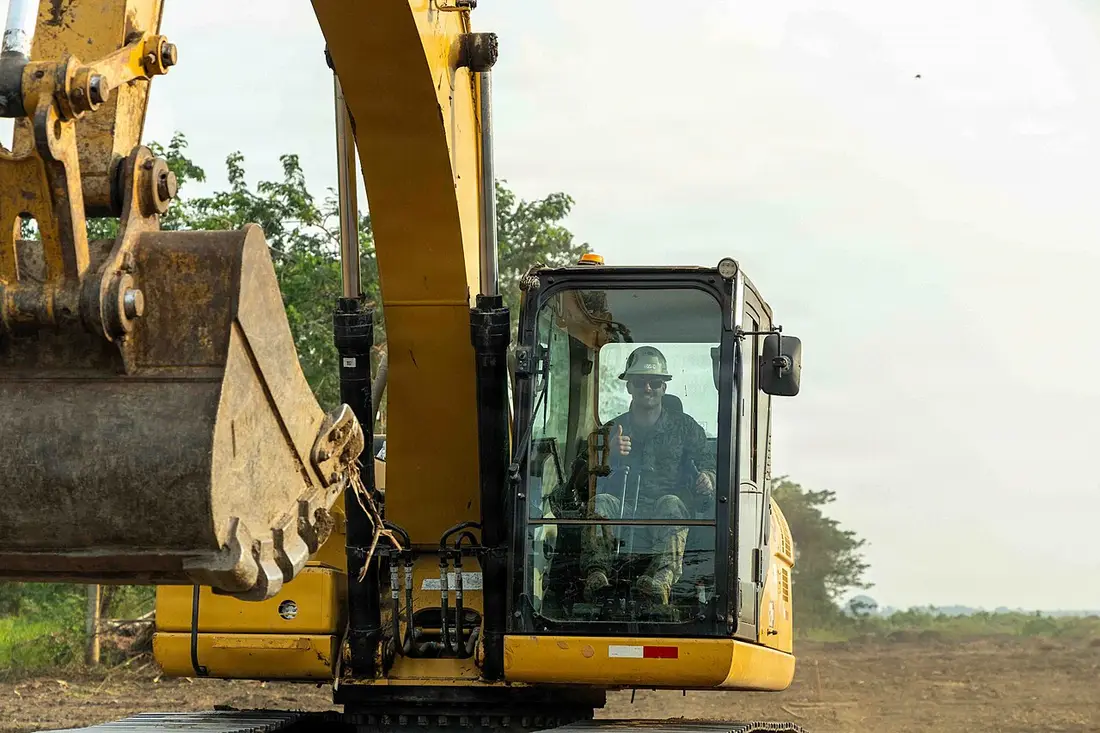
Much of the clearing work around South Wichita is the plains reclaiming its margins: shelterbelts gone to ruin, fence lines swallowed by volunteer elm and Osage orange, pasture corners thick with cedar. The land was cleared once by hand; it does not stay cleared, and the modern pass - masticator, saw and chipper - is measured in days instead of seasons.
South Wichita grew along the Pawnee and Broadway corridors as a working-class side of the city, with Pawnee Prairie Park and the Cowskin Creek greenbelt at its heart. Its tree story is a storm story: the May 1999 tornado and the April 2012 tornado both crossed this side of town, and the canopy has been regrowing - and being replanted - ever since.
This part of the county has its own version of every tree. Postwar ranch and minimal-traditional homes, many re-landscaped in waves after the storm years - and that shapes the tree work directly. Two tornado paths crossed here thirteen years apart, so South Wichita's trees come in age bands: the pre-1999 survivors, the post-1999 plantings now at mid-size, and the fast fill-ins - Bradford pears and silver maples - planted for quick shade that are now splitting on schedule. For lot & land clearing in South Wichita, clearing calls here start with the keep list - the trees worth saving decide the rest.
At Pawnee Prairie Park along the Cowskin Creek, South Wichita tells you its priorities: which trees the wind found, which the ice found, and which the slow clock of age found first.
Signs South Wichita Homes Need Lot & Land Clearing
Fence lines that cannot be found
When the fence is inside the trees, the fence is finished.
A build site under brush
Footings, drive and septic cannot be laid out in a thicket.
Dead standing timber along lanes and drives
Dead trees over the access lane are the property's daily hazard.
Why This Work Runs in South Wichita
Unmanaged Kansas ground has a succession plan of its own: grass to cedar and sumac, then elm, hackberry and Osage orange, then a closed thicket in fifteen years. Clearing reads that succession backwards - the newest growth is the lightest to take, the old hedgerow trees the heaviest work - and the plan that knows the stages spends the budget where the iron actually is.
Two tornado paths crossed here thirteen years apart, so South Wichita's trees come in age bands: the pre-1999 survivors, the post-1999 plantings now at mid-size, and the fast fill-ins - Bradford pears and silver maples - planted for quick shade that are now splitting on schedule. Storm-weakened trees that were never assessed are the standing risk.
In South Wichita, that plays out street by street - on clearing ground, the survey of what stays decides everything else. On the South Wichita run, crews read the bases first - the fungus and flare story is the fastest route to the truth in this neighborhood.
Fall is the assessment and planting window. The severe season is past, the canopy shows its true structure as the leaves thin, and there is time to cable what can be kept, remove what cannot, and plant replacements while the soil is still warm. It is also when honest tree work happens, because a bare-crowned tree hides nothing from an arborist.
Before the visit, clear access to the trees and the drop zones where pieces will land, and secure pets. During the visit, expect a plain-English explanation of findings; after it, a short list of the care items on your side that keep the problem from restarting.
Season by season, South Wichita keeps the same rhythm - the storms spend the crowns a little more each spring, then the summer drought collects on whatever the storms opened.
Homeowners in South Wichita ask what they should do before the visit. The answer is access, not cleanup: clear the gates, the side yards and the drop zones, and secure the pets. The evidence should stay exactly where it is.
How Lot & Land Clearing Works in South Wichita
The full step-by-step process for this service - inspection, scope, the work itself and follow-up - is laid out on the main Lot & Land Clearing page. In South Wichita the same sequence runs with the local map in hand: the canopy around Pawnee Prairie Park along the Cowskin Creek, the housing pattern described above, and the exposure this neighborhood actually carries.
The South Wichita Angle
Every neighborhood writes its own version of this work, and South Wichita writes it around Pawnee Prairie Park along the Cowskin Creek and the blocks that feed into it. The work plan follows the way this area was built and planted. Postwar ranch and minimal-traditional homes, many re-landscaped in waves after the storm years.
What the neighborhood planted, aged and patched fills in the rest. Two tornado paths crossed here thirteen years apart, so South Wichita's trees come in age bands: the pre-1999 survivors, the post-1999 plantings now at mid-size, and the fast fill-ins - Bradford pears and silver maples - planted for quick shade that are now splitting on schedule. Storm-weakened trees that were never assessed are the standing risk. Done in that order, lot & land clearing in South Wichita stops being a recurring surprise and becomes a managed routine.
South Wichita does not sit alone on the map. It weathers the same storms as Planeview, Oaklawn and Delano - the same cells cross the county, the same wind works the same canopies, and the same seasons move through all of them within the same few weeks. The borders on the map are postal, not meteorological - the weather commutes freely, so the tree care has to think in neighborhoods, not addresses.
On the route map, South Wichita sits in the wichita neighborhood group, ZIP 67211 - close enough to Planeview, Oaklawn that crews work them on the same runs. That local memory is the quiet advantage of route-based work in South Wichita.
What the work actually protects in South Wichita is not the tree alone - it is the roofs, fences, vehicles and routines underneath it. Framed that way, the order of jobs writes itself: hazards first, structure second, appearance third, and the assessment always.
Prevention That Helps in South Wichita
- Before clearing near a property line, walk the line with the survey or the neighbor - timber disputes outlive the trees.
- Mow the margins you mean to keep - the succession starts exactly where the mower stops.
- Catch cedar while it is knee-high; a hand saw settles in minutes what a machine settles later at scale.
Postwar ranch and minimal-traditional homes, many re-landscaped in waves after the storm years.
Keep Exploring
Lot & Land Clearing nearby:
- Lot & Land Clearing in Planeview
- Lot & Land Clearing in Oaklawn
- Lot & Land Clearing in Delano
- Lot & Land Clearing in Southwest Wichita
More services in South Wichita:
- Arborist Services in South Wichita
- Tree Removal in South Wichita
- Stump Removal in South Wichita
- Emergency Tree Service in South Wichita
See the full tree care page for South Wichita and the Lot & Land Clearing overview for Wichita.
Lot & Land Clearing in South Wichita - Questions
Can clearing spare my big oak in South Wichita and still clear around it?
Yes - that is the normal craft. The keeper is marked, its root zone fenced at the drip line, and the clearing works around it; afterward it gets a pruning pass and a mulch ring as its reward. Trees are lost to clearing mostly by accident - a plan that names the keepers first loses almost none.
Do stumps come out during lot clearing in South Wichita?
To the depth the finish demands: ground below grade for building and lawn, cut flush for rough pasture, fully extracted where foundations or lines will run. The stump standard is part of the written finish, because 'cleared' means different ground to a builder and a grazier - and the plan says which one you bought.
Does Lot & Land Clearing in South Wichita cover the streets near Pawnee Prairie Park along the Cowskin Creek?
Yes - the blocks around Pawnee Prairie Park along the Cowskin Creek are part of this page's map, along with the rest of South Wichita. The landmark is named here because it anchors the neighborhood's pattern: the exposure and storm history around it shape where the work concentrates.
A Dead Limb Over the Roof, a Leaning Trunk or Storm Debris in the Yard?
One call connects you with a tree care professional serving Wichita and the surrounding communities - assessment, trimming, removal and cleanup.
📞 Call Now