Lot & Land Clearing Through the Wichita Year
Summer splits in two: the storm tail of June and early July, when late cells still tear at crowns, and the long bake that follows, when drought stress shows first in the trees planted in tight soil and parking-lot islands. Most storm damage is discovered in summer - the storm did the work in spring, and the failures report as the heat and wind finish them. Deep watering of young trees is the season's quiet essential.
Spring is storm season in Wichita, and it is tree season too. From March into June, supercell thunderstorms roll off the plains with damaging wind, and the trees that get a structural look before the season are the ones that come through it standing. Late spring is also when winter's hidden damage declares itself - limbs that died under ice, crowns that leaf out thin, and borers resuming their work in the ash.
Fall is the assessment and planting window. The severe season is past, the canopy shows its true structure as the leaves thin, and there is time to cable what can be kept, remove what cannot, and plant replacements while the soil is still warm. It is also when honest tree work happens, because a bare-crowned tree hides nothing from an arborist.
Lot & Land Clearing in Depth
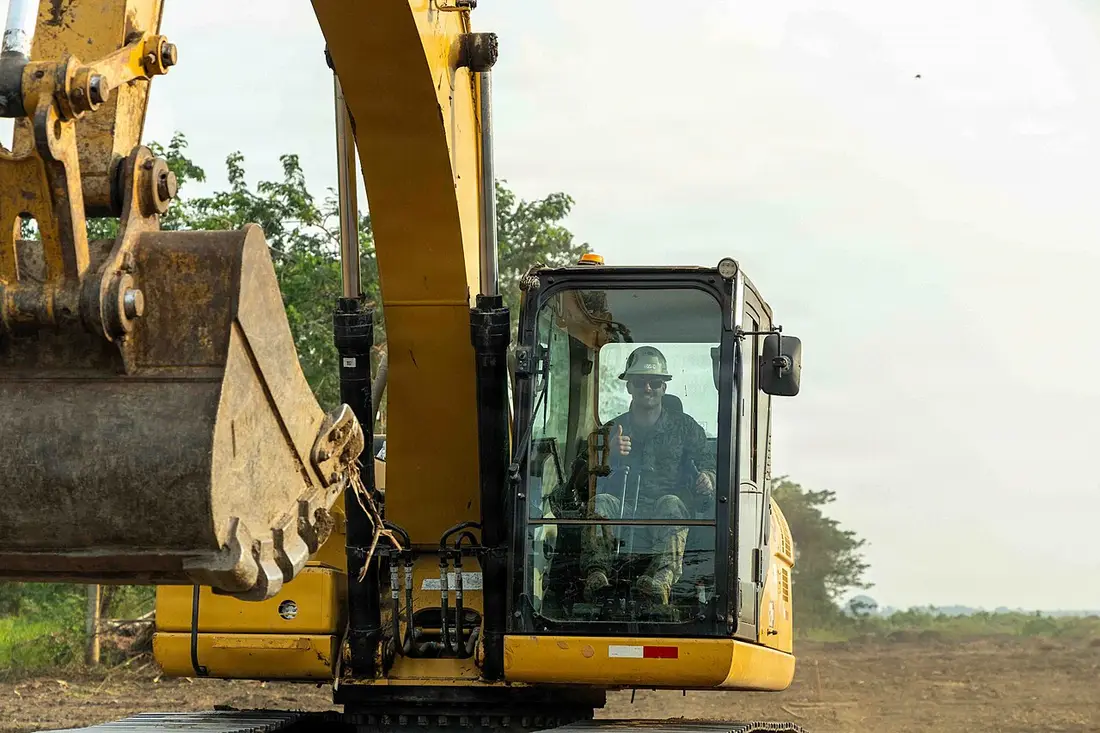
Clearing is applied ecology run in reverse. Left alone, Kansas ground climbs a ladder - grass, cedar, volunteer elm and hackberry, closed thicket - each rung more expensive to descend than the last. The clearing plan that identifies which rung each acre is standing on spends the budget honestly: hand tools and a mower at the bottom rungs, machines and iron at the top.
The keeper question is the job's conscience. Every old pasture holds a few trees worth more than the clearing: the bur oak that predates the fence lines, the pecan cluster by the creek. Marking them is a five-minute act that shapes the property for fifty years. Clearing that begins with the keepers ends with a property; clearing that begins with the machine ends with a lot, and the difference is visible from the road for a generation.
Choosing the Right Help
Clearing is chosen on the finish line. Get the ground's final state in writing - stump standard, brush disposition, keeper protection - and walk the keepers with the bidder, paint in hand. The crew that argues for saving your best oak against its own machine time is the crew whose 'cleared' will mean what you meant by it.
The Climate Behind It
Wichita sits on the central Kansas plains where the Arkansas and Little Arkansas rivers meet, and plains weather writes the tree calendar here: spring severe storms with damaging wind, winters that deliver canopy-breaking ice, and long summer droughts broken by downpours. A tree in Wichita is not tested by one climate - it is tested by all of them, in turns, every year of its life.
Wind is the signature force. Kansas wind works at trees day after day - flagging crowns, fatiguing weak unions - and storm outflows arrive with gusts that collect on whatever the daily wind loosened. A tree's structure, built by its pruning history or its neglect, is its real storm rating, whatever species the tag said.
How Lot & Land Clearing Works
Walk the land and mark the keepers
The property is walked with you: what stays (marked and fenced), what goes, and what the ground must do afterward - build, graze, plant, sell.
Set the finish line in writing
Stump depth, brush disposition, timber stacking or hauling, and the ground's final state are agreed before the first machine starts.
Clear in the right order
Dead-over-targets first, then the thickets and rows, keepers protected throughout - cut, mulched, chipped or hauled as the plan states.
Leave ground ready for its job
Stumps to grade, lines open, access restored - the site handed back ready for the builder, the fence crew or the grass, as promised.
Doing It Yourself vs a Professional
The DIY Route
- Clearing with a tractor and chain, tree by tree, is how fence posts, axles and backs retire early
- Burning a brush-choked lot in Kansas wind country is a call to the fire department wearing a plan's clothes
- Bush-hogging over hidden stumps and debris bends blades and throws iron - the thicket hides its history at ankle height
VS
The Professional Route
- Marks and fences the keepers before machines move - the saving is planned, not lucky
- Matches the method to the finish: mulching for pasture, saw-and-grind for a build site
- States the ground's final condition in writing and leaves it in that condition
Keep It From Coming Back
Half of land keeping happens between the clearing crew's visits, in the owner's own rhythm. The list below is that half: small, regular, and worth more than any single machine that ever crosses the fence.
- Walk a vacant or rural property yearly; a season of brush is a weekend, a decade of it is a clearing contract.
- Mow the margins you mean to keep - the succession starts exactly where the mower stops.
- Catch cedar while it is knee-high; a hand saw settles in minutes what a machine settles later at scale.
- Before clearing near a property line, walk the line with the survey or the neighbor - timber disputes outlive the trees.
- Plan the keeper trees' protection before equipment arrives; a marked tree with a fence survives the day.