Tree Health & Disease Treatment in Newton
Tree Health & Disease Treatment for Newton homes - local conditions, a clear process, and one call to get it started.
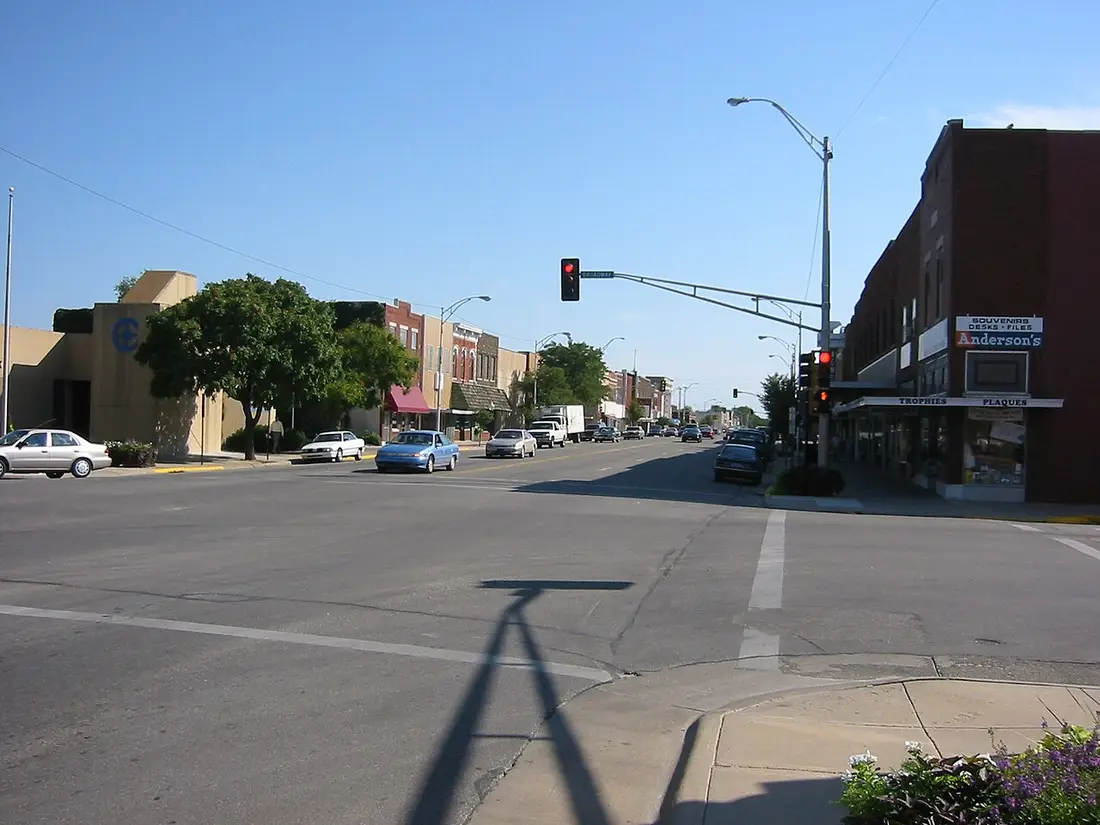
Start where the problem starts in Newton: in the crown, at the unions, in the blocks around Newton's historic Main Street and the Harvey County Courthouse.
A struggling tree in Newton is a diagnosis problem before it is a treatment problem. Thin crowns and early leaf drop can mean the borer, a fungal wilt, yellowed chlorotic leaves from alkaline soil, or roots quietly drowning in compaction - and the four treatments share nothing but the sprayer. Health work starts by naming the cause.
Newton is the Harvey County seat about 25 miles north of Wichita, a railroad city with a brick historic Main Street, older neighborhoods and its own storm history on the plains. Its canopy is old railroad-town planting - elm, hackberry and oak streets that have stood through a century of Kansas weather.
The details of the neighborhood matter for this work. Historic homes near the core, postwar neighborhoods and newer subdivisions, under old planted canopy - and that shapes the tree work directly. Newton's trees carry a century: street elms and hackberries planted with the town's growth, now at the age where every ice storm and wind season takes a portion. For tree health & disease treatment in Newton, health calls here read the crown's thin spots, the bark and the soil before any treatment.
The blocks around Newton's historic Main Street and the Harvey County Courthouse show Newton in miniature - the canopy age, the wind path, the lot pattern, all readable from one corner.
Signs Newton Homes Need Tree Health & Disease Treatment
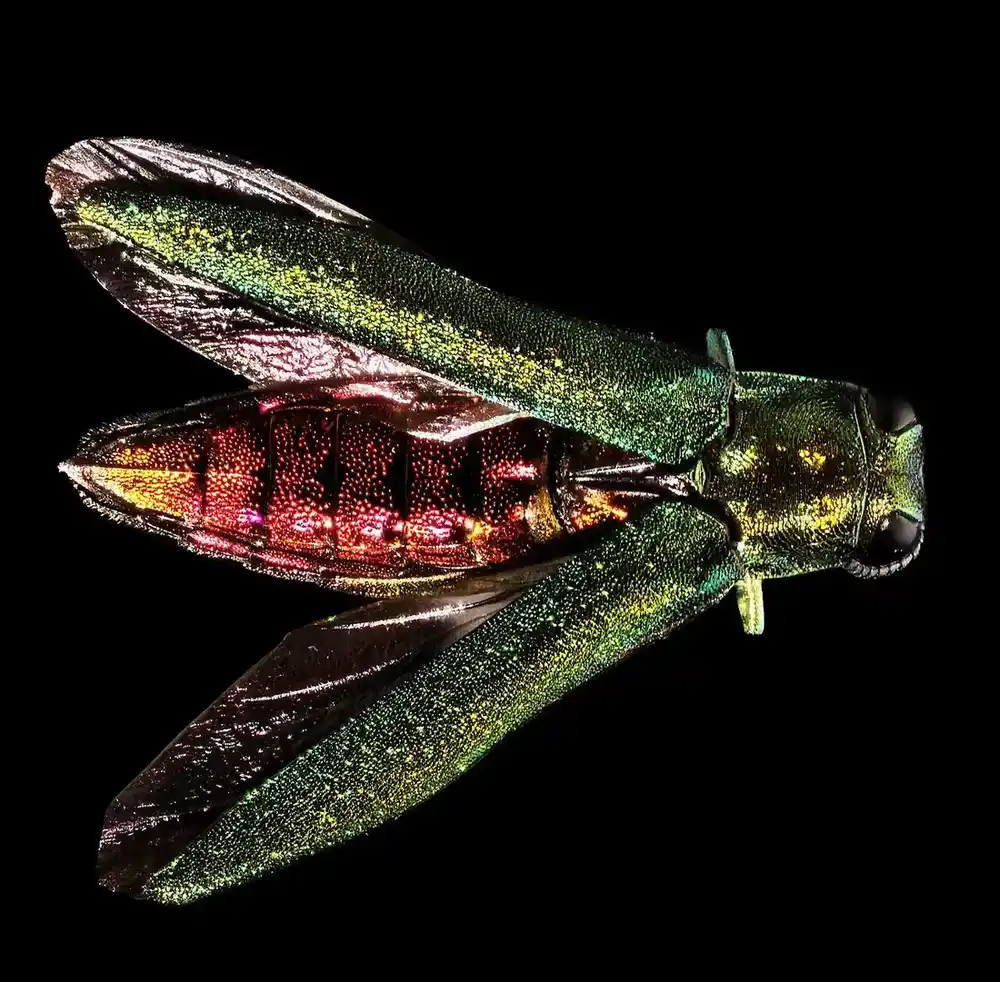
Ash with a thinning, dying-back crown
The emerald ash borer's signature is written top-down: the upper crown thins, bark splits over galleries, woodpeckers fleck the trunk for the larvae inside.
Cankers, oozing and cracked bark
Sunken, discolored patches that weep or crack are the tree's infections made visible - bacterial, fungal or the aftermath of storm wounds.
Yellow leaves with green veins
Iron chlorosis - pin oaks, silver maples and river birch in alkaline Kansas soil unable to take up iron.
Why This Work Runs in Newton
Soil is the quieter half of tree medicine here. Wichita's alkaline clays lock iron away from the species that crave it, construction compacts root zones into pavement-grade density, and grade changes bury root flares a fatal foot deep. Air-spade excavation, vertical mulching, flare recovery and honest watering plans cure more Wichita trees than any spray ever sold - because more Wichita trees are dying of their ground than of their pests.
Newton's trees carry a century: street elms and hackberries planted with the town's growth, now at the age where every ice storm and wind season takes a portion. The old Main Street adds commercial clearance work. Assessments, phased removals of the failed, and replanting plans that keep the streets shaded through the turnover are the town's real tree program.
In Newton, that plays out street by street - for tree health, watch the drip line - chlorosis, thin crowns and early fall color live there. Local knowledge, Newton edition: the storm track, the wind path and the species calendar all vote on when this work is needed.
Spring's second act is the leaf-out audit. After the first warm weeks, the pattern repeats street by street: the crown that comes back thin, the limb that never leafs at all, the ash the borer spent the winter inside. Owners who walk their trees at leaf-out start their decisions from evidence; owners who skip it find out across the summer, one falling limb at a time.
Wichita visits run on storm time in one respect: the season outside the door shapes the advice inside it. A spring call is about storm readiness; a summer call is about borer sign and drought; a fall call is about the assessment window. Same house, same tree - four different correct visits across the year.
Around Newton's historic Main Street and the Harvey County Courthouse, the season shows up early: exposed blocks and older trees run a few weeks ahead of the sheltered ones.
Do not cut anything before the visit. A fresh amateur cut over a defect buries the evidence and can turn a one-visit diagnosis into two. Photograph what you see instead - a phone photo is the most useful thing you can hand an arborist.
How Tree Health & Disease Treatment Works in Newton
The full step-by-step process for this service - inspection, scope, the work itself and follow-up - is laid out on the main Tree Health & Disease Treatment page. In Newton the same sequence runs with the local map in hand: the canopy around Newton's historic Main Street and the Harvey County Courthouse, the housing pattern described above, and the exposure this neighborhood actually carries.
The Newton Angle
The Newton version of this work is a local story - it runs across the yards within sight of Newton's historic Main Street and the Harvey County Courthouse. Where the weather lands hardest follows the housing and the trees planted with it. Historic homes near the core, postwar neighborhoods and newer subdivisions, under old planted canopy.
And the canopy carries its own local accent. Newton's trees carry a century: street elms and hackberries planted with the town's growth, now at the age where every ice storm and wind season takes a portion. The old Main Street adds commercial clearance work. Assessments, phased removals of the failed, and replanting plans that keep the streets shaded through the turnover are the town's real tree program. That is why tree health & disease treatment in Newton is planned from assessment rather than from a script - the visit reads this map before any scope is chosen.
Newton does not sit alone on the map. It weathers the same storms as Valley Center, Park City and Hutchinson - the same cells cross the county, the same wind works the same canopies, and the same seasons move through all of them within the same few weeks. The neighborhoods lean on each other here: the same storm cell grades them all within the same hour.
On the route map, Newton sits in the harvey county city group, ZIP 67114 - close enough to Valley Center, Park City that crews work them on the same runs. The route view is also the honest one: it is how the weather actually moves through Newton across a season.
A note on timing that the local pattern makes plain: tree health & disease treatment done in the quiet months is a different service from the same work done in the emergency weeks - same trade, same crew, but planned instead of reactive, and thorough instead of triaged.
Prevention That Helps in Newton
- Have thin-crowned trees diagnosed the first season it happens - the treatment window is the first chapter of every success story.
- Prune oaks in winter only, and paint oak wounds immediately in the growing season if they happen - oak wilt discipline is cheap and absolute.
- Water deeply in drought, especially young trees and chlorotic ones; a stressed tree is every pest's invitation.
Historic homes near the core, postwar neighborhoods and newer subdivisions, under old planted canopy.
Keep Exploring
Tree Health & Disease Treatment nearby:
- Tree Health & Disease Treatment in Valley Center
- Tree Health & Disease Treatment in Park City
- Tree Health & Disease Treatment in Hutchinson
- Tree Health & Disease Treatment in Kechi
More services in Newton:
- Lot & Land Clearing in Newton
- Storm Damage Cleanup in Newton
- Stump Grinding in Newton
- Tree Removal in Newton
See the full tree care page for Newton and the Tree Health & Disease Treatment overview for Wichita.
Tree Health & Disease Treatment in Newton - Questions
Why are my Newton pin oak's leaves yellow every summer?
Almost always iron chlorosis: Wichita's alkaline soils lock iron in a form the tree cannot use, so new leaves come in yellow between green veins. The fixes run from soil acidification and chelated iron treatments to, in stubborn ground, accepting the tree is in the wrong soil and planning its succession. It weakens the tree yearly, so it is worth treating as a condition, not a quirk.
Is oak wilt in Newton, and how do I protect my oaks?
Oak wilt is established in Kansas and moves two ways: beetles carrying spores to fresh wounds in the warm months, and root grafts between neighboring oaks underground. Protection is discipline - prune only in winter, paint any warm-season wound the day it happens, and never move oak firewood from a dead tree. A wilting red oak in June is a call-now diagnosis; whites resist longer, reds can die in weeks.
What should Newton homeowners have ready before a Tree Health & Disease Treatment visit?
Access and information. Clear the way to the trees and the gates, secure pets, and have the pattern written down - when it started, where it shows, and what the weather was doing. That five minutes of prep is worth a second visit.
A Dead Limb Over the Roof, a Leaning Trunk or Storm Debris in the Yard?
One call connects you with a tree care professional serving Wichita and the surrounding communities - assessment, trimming, removal and cleanup.
📞 Call Now