Tree Health & Disease Treatment in Old Town
Tree Health & Disease Treatment for Old Town homes - local conditions, a clear process, and one call to get it started.
Homes here share more than a ZIP: they share wind, storm tracks and the canopy both produce.
Kansas trees fight a named list of enemies in Old Town: the emerald ash borer spending ash from inside, oak wilt moving through root grafts, iron chlorosis yellowing the pin oaks in alkaline ground, bagworms and borers and cankers working the weakened. Each has a season, a signature and a window in which treatment actually works.
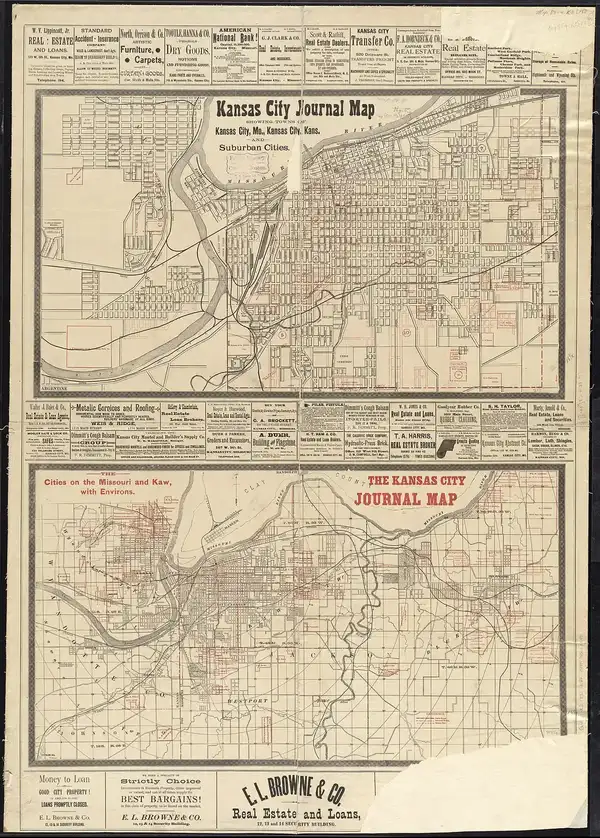
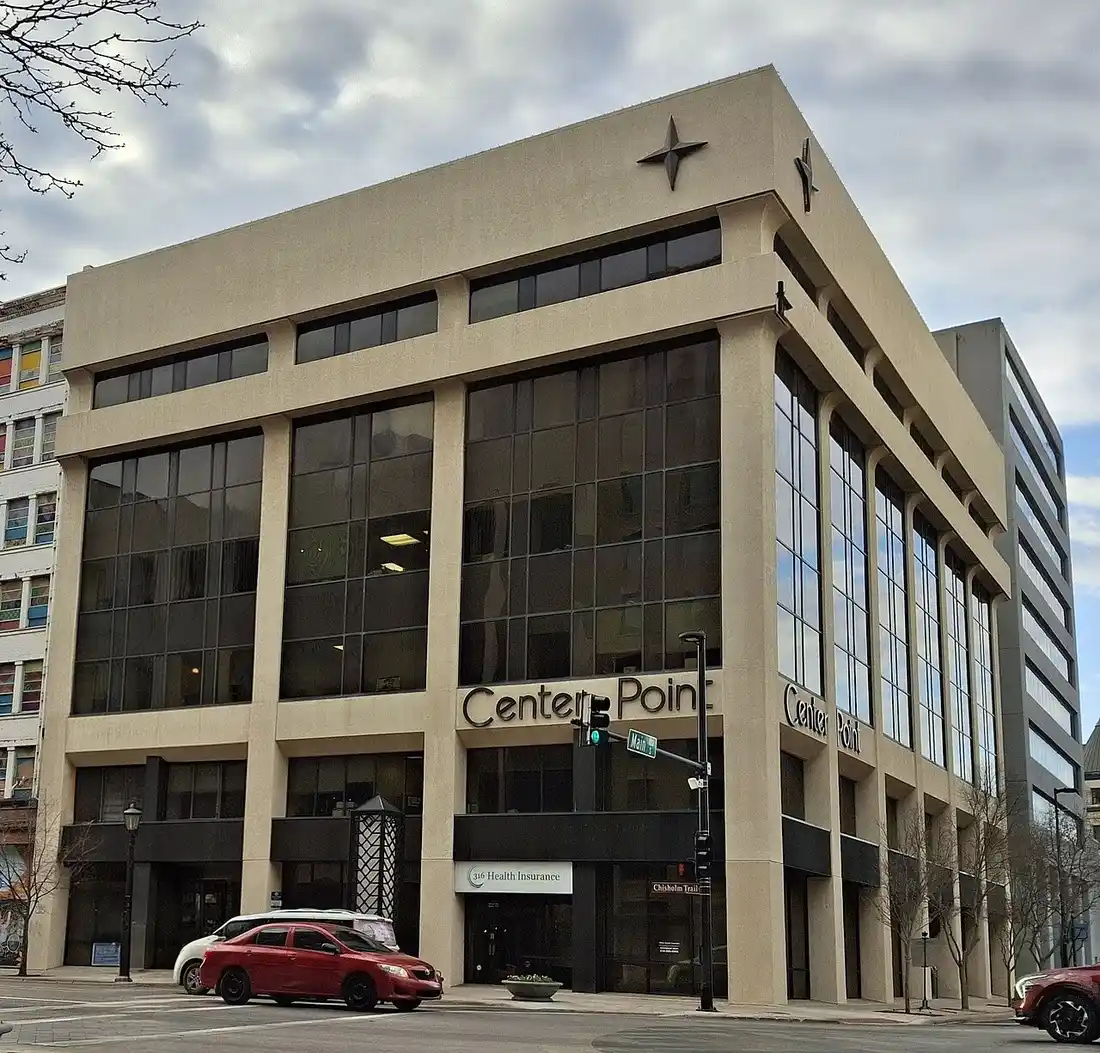
Old Town is Wichita's entertainment district, built from the brick warehouses of the late 1800s around the old railroad lines. Brick streets, converted lofts and restaurants fill the blocks, and the trees that soften all that brick grow in narrow wells between pavement and foundation.
Local conditions shape the work here. Converted warehouse and commercial buildings, plus older homes on the surrounding streets - and that shapes the tree work directly. Trees in Old Town grow in slots - a few square feet of soil cut into brick and concrete - and show it: stunted crowns, roots lifting pavers, limbs reaching for light over the streets. For tree health & disease treatment in Old Town, health calls here read the crown's thin spots, the bark and the soil before any treatment.
Stand near the Old Town brick warehouse district and the Museum of World Treasures on a spring evening and Old Town's whole pattern is in one view: the crowns, the exposure, the planting stock, and the weather building up on the horizon.
Signs Old Town Homes Need Tree Health & Disease Treatment
A tree that just is not thriving
Stunted leaves, early fall color, slow decline with no single villain: usually the root zone - compaction, grade changes, girdling roots, drought.
Bags, webs and chewed crowns
Bagworms can defoliate a cedar or spruce in weeks and kill what they strip two years running; fall webworm is uglier than it is harmful.
Oak leaves wilting in early summer
Oak wilt moves fast in the red oak family - leaves bronzing and dropping in June, whole trees dead by August, and the disease traveling to the next oak through grafted roots.
Why This Work Runs in Old Town
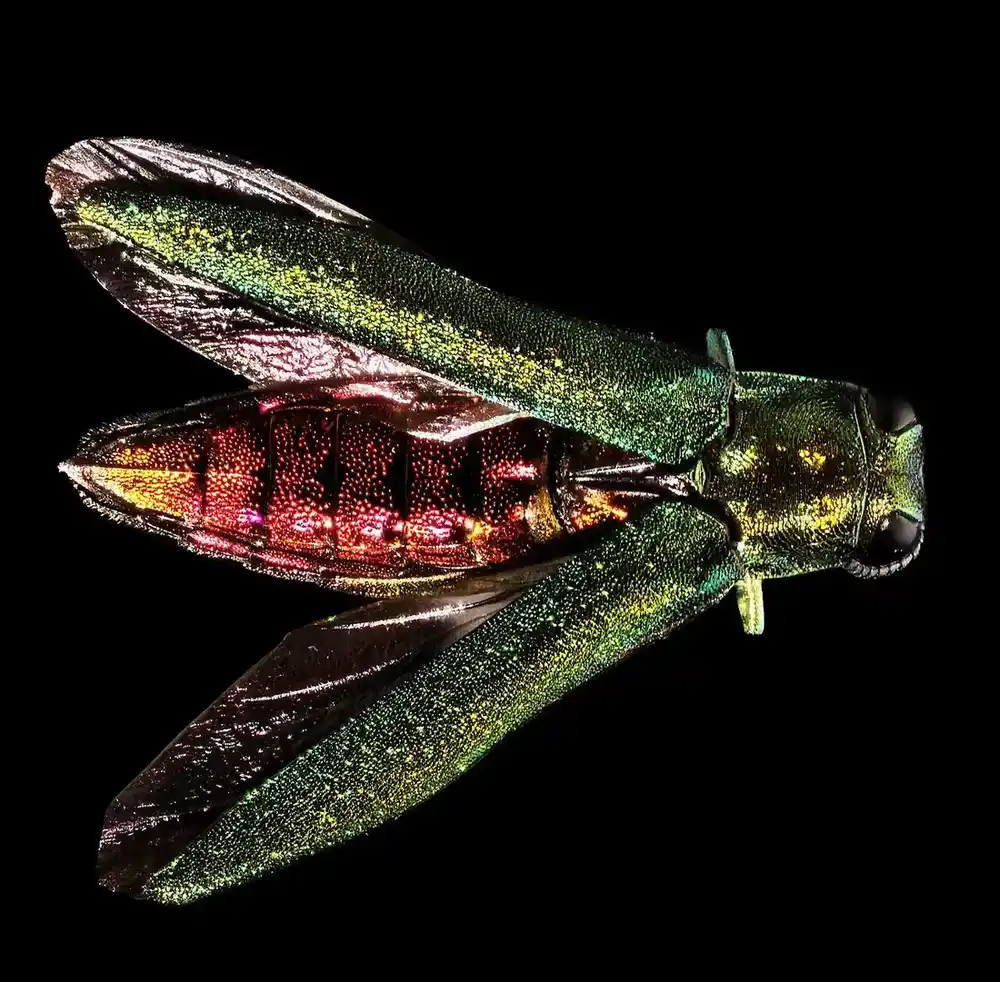
The emerald ash borer deserves its own paragraph because it is rewriting Wichita's canopy. The beetle's larvae feed under the bark, cutting the tree's plumbing in ribbons; the tree dies over two to four years from the top down. Systemic trunk treatments protect a sound ash on a repeating cycle - an ongoing program, like a prescription, that only works while enough crown remains to move the treatment through the tree.
Trees in Old Town grow in slots - a few square feet of soil cut into brick and concrete - and show it: stunted crowns, roots lifting pavers, limbs reaching for light over the streets. The work is clearance pruning, young-tree training, and replacing failures with species sized for the space they actually get.
In Old Town, that plays out street by street - for tree health, watch the drip line - chlorosis, thin crowns and early fall color live there. What separates a good tree health & disease treatment outcome in Old Town is rarely the product - it is whether the defect map was finished.
Spring is storm season in Wichita, and it is tree season too. From March into June, supercell thunderstorms roll off the plains with damaging wind, and the trees that get a structural look before the season are the ones that come through it standing. Late spring is also when winter's hidden damage declares itself - limbs that died under ice, crowns that leaf out thin, and borers resuming their work in the ash.
Expect the findings to be specific: this union, that dead top, the crack above the drive, the thin quadrant on the south side. Vague findings produce vague results. A visit that ends with a map - of defects, of targets, of what gets cut and what gets watched - is a visit that was worth booking, whatever the tree turns out to need.
The practical read for Old Town this season: check the unions, check the bases, and let the care calendar do the rest.
Before you call, a five-minute walk pays for itself: note where you have seen fallen limbs or thinning crowns, look up for hangers and dead tops, and check the bases for fungus. That list, given on the call, gets the right equipment on the truck.
How Tree Health & Disease Treatment Works in Old Town
The full step-by-step process for this service - inspection, scope, the work itself and follow-up - is laid out on the main Tree Health & Disease Treatment page. In Old Town the same sequence runs with the local map in hand: the canopy around the Old Town brick warehouse district and the Museum of World Treasures, the housing pattern described above, and the exposure this neighborhood actually carries.
The Old Town Angle
The Old Town version of this work is a local story - it runs across the yards within sight of the Old Town brick warehouse district and the Museum of World Treasures. Housing here tells the arborist where to look first. Converted warehouse and commercial buildings, plus older homes on the surrounding streets.
The tree side of the equation is just as local. Trees in Old Town grow in slots - a few square feet of soil cut into brick and concrete - and show it: stunted crowns, roots lifting pavers, limbs reaching for light over the streets. The work is clearance pruning, young-tree training, and replacing failures with species sized for the space they actually get. Done in that order, tree health & disease treatment in Old Town stops being a recurring surprise and becomes a managed routine.
Old Town does not sit alone on the map. It weathers the same storms as Downtown Wichita, College Hill and Midtown - the same cells cross the county, the same wind works the same canopies, and the same seasons move through all of them within the same few weeks. It is also why the seasonal advice repeats across these areas: they stand in the same storm tracks and carry the same ice.
On the route map, Old Town sits in the wichita neighborhood group, ZIP 67202 - close enough to Downtown Wichita, College Hill that crews work them on the same runs. For tree health & disease treatment, that grouping matters - exposure, timing and canopy age are read at the route level, not guessed address by address.
One last local truth: Old Town trees do not fail at random. They fail along lines the neighborhood drew - the exposure lines, the species lines, the planting-era lines - and reading those lines is most of the trade.
Prevention That Helps in Old Town
- Mulch wide and shallow over root zones, keep the flare visible, and never let a grade change bury a trunk.
- Have thin-crowned trees diagnosed the first season it happens - the treatment window is the first chapter of every success story.
- Water deeply in drought, especially young trees and chlorotic ones; a stressed tree is every pest's invitation.
Converted warehouse and commercial buildings, plus older homes on the surrounding streets.
Keep Exploring
Tree Health & Disease Treatment nearby:
- Tree Health & Disease Treatment in Downtown Wichita
- Tree Health & Disease Treatment in College Hill
- Tree Health & Disease Treatment in Midtown
- Tree Health & Disease Treatment in East Wichita
More services in Old Town:
- Cabling & Bracing in Old Town
- Storm Damage Cleanup in Old Town
- Tree Service in Old Town
- Tree Removal in Old Town
See the full tree care page for Old Town and the Tree Health & Disease Treatment overview for Wichita.
Tree Health & Disease Treatment in Old Town - Questions
Why are my Old Town pin oak's leaves yellow every summer?
Almost always iron chlorosis: Wichita's alkaline soils lock iron in a form the tree cannot use, so new leaves come in yellow between green veins. The fixes run from soil acidification and chelated iron treatments to, in stubborn ground, accepting the tree is in the wrong soil and planning its succession. It weakens the tree yearly, so it is worth treating as a condition, not a quirk.
My Old Town tree looks sick but I do not know why. Where do I start?
With the ground, honestly: most unexplained decline in Wichita traces to roots and soil - compaction, buried flares, girdling roots, drought debt - with pests arriving second to feed on the weakened. The diagnostic visit reads base and site before crown and sprayer, because treating a soil problem with a pesticide is the most expensive way to learn the difference.
What should Old Town homeowners have ready before a Tree Health & Disease Treatment visit?
Access and information. Clear the way to the trees and the gates, secure pets, and have the pattern written down - when it started, where it shows, and what the weather was doing. That five minutes of prep is worth a second visit.
A Dead Limb Over the Roof, a Leaning Trunk or Storm Debris in the Yard?
One call connects you with a tree care professional serving Wichita and the surrounding communities - assessment, trimming, removal and cleanup.
📞 Call Now