Tree Health & Disease Treatment in Rose Hill
Tree Health & Disease Treatment for Rose Hill homes - local conditions, a clear process, and one call to get it started.
The first five minutes of a visit in Rose Hill are all looking - unions, bases, crowns, targets - because looking is what makes the rest of it work.
The honest core of tree health work in Rose Hill: treatment protects, it rarely resurrects. The ash treated while its crown is full stays full; the ash treated after the borer took half of it stays half. Health programs are therefore built on timing - assessments early, treatments in their windows, and the discipline to say when a tree is past treating.
Rose Hill is a growing Butler County town southeast of Wichita, where newer subdivisions and acreage homes have spread around its schools. It draws families who want country space within commuting range - and its trees split between new plantings and old farm timber.
This part of the county has its own version of every tree. Newer suburban homes and acreage properties with young plantings, windbreaks and pasture timber - and that shapes the tree work directly. Growth-edge tree work: new subdivision plantings growing up unsheltered, and acreage timber - Osage orange hedgerows, elm and hackberry pasture trees - that has never been managed at all. For tree health & disease treatment in Rose Hill, health calls here read the crown's thin spots, the bark and the soil before any treatment.
From Rose Hill's school campus and the Butler County line growth corridor outward, Rose Hill is a sequence of planting decisions made decades ago - and tree health & disease treatment is how the present collects on them.
Signs Rose Hill Homes Need Tree Health & Disease Treatment
Ash with a thinning, dying-back crown
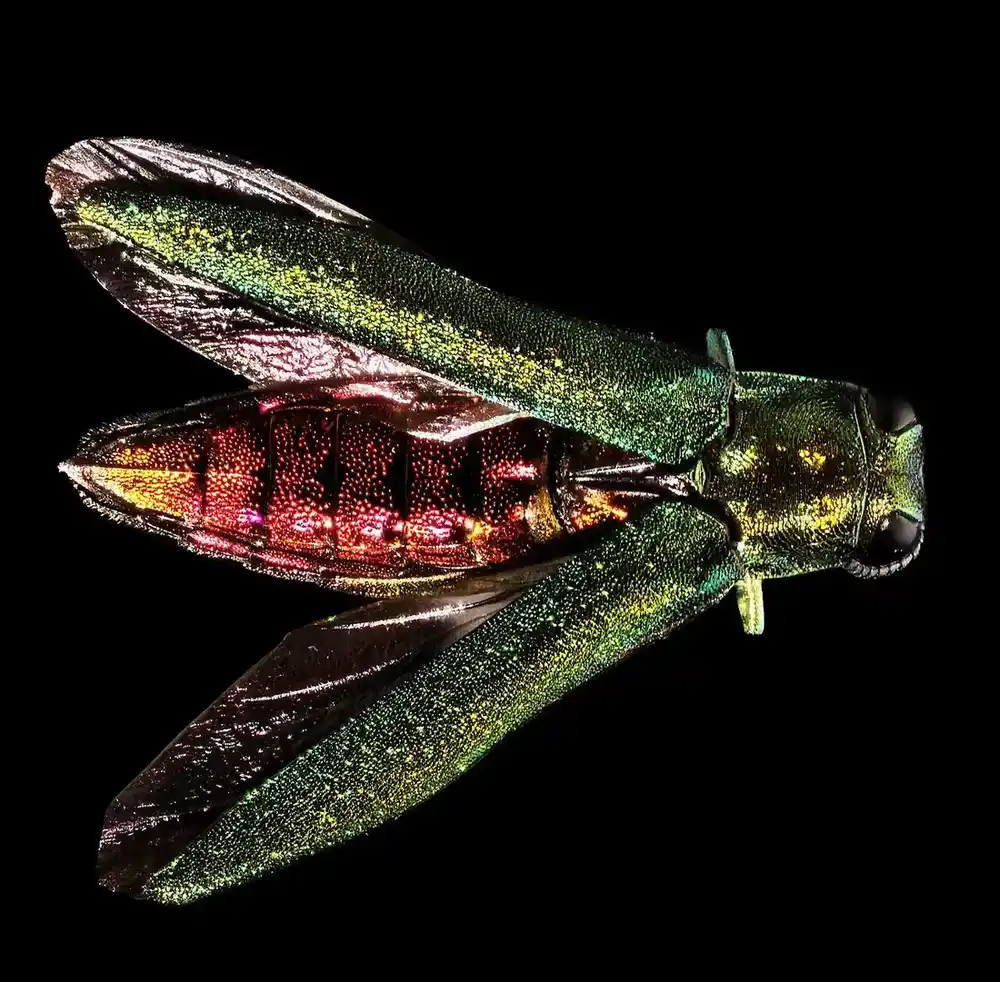
The emerald ash borer's signature is written top-down: the upper crown thins, bark splits over galleries, woodpeckers fleck the trunk for the larvae inside.
Oak leaves wilting in early summer
Oak wilt moves fast in the red oak family - leaves bronzing and dropping in June, whole trees dead by August, and the disease traveling to the next oak through grafted roots.
Cankers, oozing and cracked bark
Sunken, discolored patches that weep or crack are the tree's infections made visible - bacterial, fungal or the aftermath of storm wounds.
Why This Work Runs in Rose Hill
The emerald ash borer deserves its own paragraph because it is rewriting Wichita's canopy. The beetle's larvae feed under the bark, cutting the tree's plumbing in ribbons; the tree dies over two to four years from the top down. Systemic trunk treatments protect a sound ash on a repeating cycle - an ongoing program, like a prescription, that only works while enough crown remains to move the treatment through the tree.
Growth-edge tree work: new subdivision plantings growing up unsheltered, and acreage timber - Osage orange hedgerows, elm and hackberry pasture trees - that has never been managed at all. Lot clearing for new builds, dead-tree takedowns along the fence lines, and first structural pruning for the young street trees fill the local list.
In Rose Hill, that plays out street by street - for tree health, watch the drip line - chlorosis, thin crowns and early fall color live there. The Rose Hill file, in one line: know the unions, know the bases, and the work list shortens itself.
Spring is storm season in Wichita, and it is tree season too. From March into June, supercell thunderstorms roll off the plains with damaging wind, and the trees that get a structural look before the season are the ones that come through it standing. Late spring is also when winter's hidden damage declares itself - limbs that died under ice, crowns that leaf out thin, and borers resuming their work in the ash.
Homeowners are often surprised by how much of the visit is looking rather than cutting. That assessment time is the work: it is what separates a scope matched to your actual tree from generic work that misses it. Ask questions - a good arborist can show you exactly what they found, with photographs.
Heat, wind and the first ice all take their turn in Rose Hill - and each hands the trees a new set of instructions.
Homeowners in Rose Hill ask what they should do before the visit. The answer is access, not cleanup: clear the gates, the side yards and the drop zones, and secure the pets. The evidence should stay exactly where it is.
How Tree Health & Disease Treatment Works in Rose Hill
The full step-by-step process for this service - inspection, scope, the work itself and follow-up - is laid out on the main Tree Health & Disease Treatment page. In Rose Hill the same sequence runs with the local map in hand: the canopy around Rose Hill's school campus and the Butler County line growth corridor, the housing pattern described above, and the exposure this neighborhood actually carries.
The Rose Hill Angle
The Rose Hill version of this work is a local story - it runs across the yards within sight of Rose Hill's school campus and the Butler County line growth corridor. The buildings themselves give the first clues about the canopy. Newer suburban homes and acreage properties with young plantings, windbreaks and pasture timber.
What the neighborhood planted, aged and patched fills in the rest. Growth-edge tree work: new subdivision plantings growing up unsheltered, and acreage timber - Osage orange hedgerows, elm and hackberry pasture trees - that has never been managed at all. Lot clearing for new builds, dead-tree takedowns along the fence lines, and first structural pruning for the young street trees fill the local list. The result, when the work follows the map, is a healthier canopy and a shorter list of surprises next season.
Rose Hill does not sit alone on the map. It weathers the same storms as Andover, Derby and Mulvane - the same cells cross the county, the same wind works the same canopies, and the same seasons move through all of them within the same few weeks. Read together, these neighborhoods tell one story - and this service is the chapter most of them eventually need.
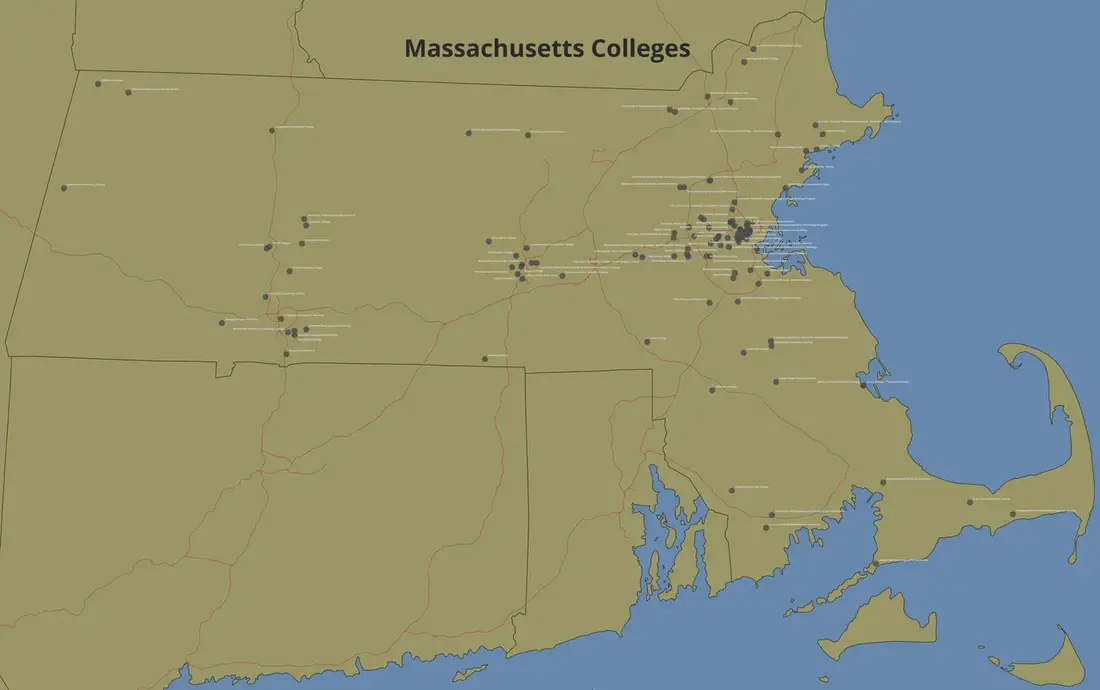
On the route map, Rose Hill sits in the butler county city group, ZIP 67133 - close enough to Andover, Derby that crews work them on the same runs. For tree health & disease treatment, that grouping matters - exposure, timing and canopy age are read at the route level, not guessed address by address.
There is a pattern to when Rose Hill calls, and it is not random: the first hard wind after a wet spring, the first ice after a wet fall. Both find the same defects, and both are predictable - which is the entire argument for the assessment that happens between them.
Prevention That Helps in Rose Hill
- Start ash decisions now: inventory your ash, choose the keepers while their crowns are full, and budget the program or the removal - but do not drift.
- Mulch wide and shallow over root zones, keep the flare visible, and never let a grade change bury a trunk.
- Water deeply in drought, especially young trees and chlorotic ones; a stressed tree is every pest's invitation.
Newer suburban homes and acreage properties with young plantings, windbreaks and pasture timber.
Keep Exploring
Tree Health & Disease Treatment nearby:
- Tree Health & Disease Treatment in Andover
- Tree Health & Disease Treatment in Derby
- Tree Health & Disease Treatment in Mulvane
- Tree Health & Disease Treatment in East Wichita
More services in Rose Hill:
- Stump Grinding in Rose Hill
- Emergency Tree Service in Rose Hill
- Arborist Services in Rose Hill
- Cabling & Bracing in Rose Hill
See the full tree care page for Rose Hill and the Tree Health & Disease Treatment overview for Wichita.
Tree Health & Disease Treatment in Rose Hill - Questions
My Rose Hill tree looks sick but I do not know why. Where do I start?
With the ground, honestly: most unexplained decline in Wichita traces to roots and soil - compaction, buried flares, girdling roots, drought debt - with pests arriving second to feed on the weakened. The diagnostic visit reads base and site before crown and sprayer, because treating a soil problem with a pesticide is the most expensive way to learn the difference.
Is oak wilt in Rose Hill, and how do I protect my oaks?
Oak wilt is established in Kansas and moves two ways: beetles carrying spores to fresh wounds in the warm months, and root grafts between neighboring oaks underground. Protection is discipline - prune only in winter, paint any warm-season wound the day it happens, and never move oak firewood from a dead tree. A wilting red oak in June is a call-now diagnosis; whites resist longer, reds can die in weeks.
Can one Tree Health & Disease Treatment visit in Rose Hill handle the whole problem?
Sometimes - when the finding is small, local and caught early. More often the honest answer is a short sequence: cut what is hazardous, correct what is structural, and check back on the tree's own schedule. The first visit's job is to tell you which of those your Rose Hill trees need.
A Dead Limb Over the Roof, a Leaning Trunk or Storm Debris in the Yard?
One call connects you with a tree care professional serving Wichita and the surrounding communities - assessment, trimming, removal and cleanup.
📞 Call Now