Tree Health & Disease Treatment in Oaklawn
Tree Health & Disease Treatment for Oaklawn homes - local conditions, a clear process, and one call to get it started.
tree health & disease treatment in Oaklawn is a neighborhood trade: same sky as everywhere in the county, different crowns, different soils, different storm history.
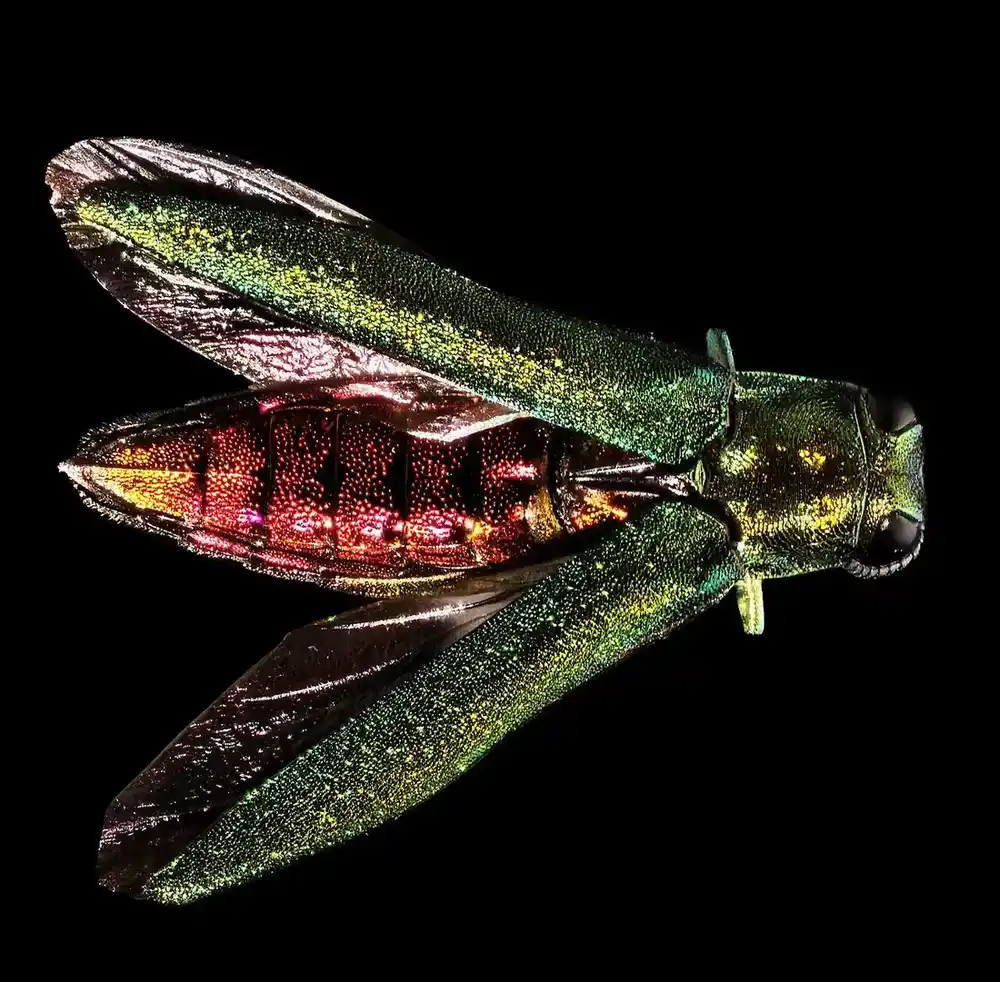
A struggling tree in Oaklawn is a diagnosis problem before it is a treatment problem. Thin crowns and early leaf drop can mean the borer, a fungal wilt, yellowed chlorotic leaves from alkaline soil, or roots quietly drowning in compaction - and the four treatments share nothing but the sprayer. Health work starts by naming the cause.
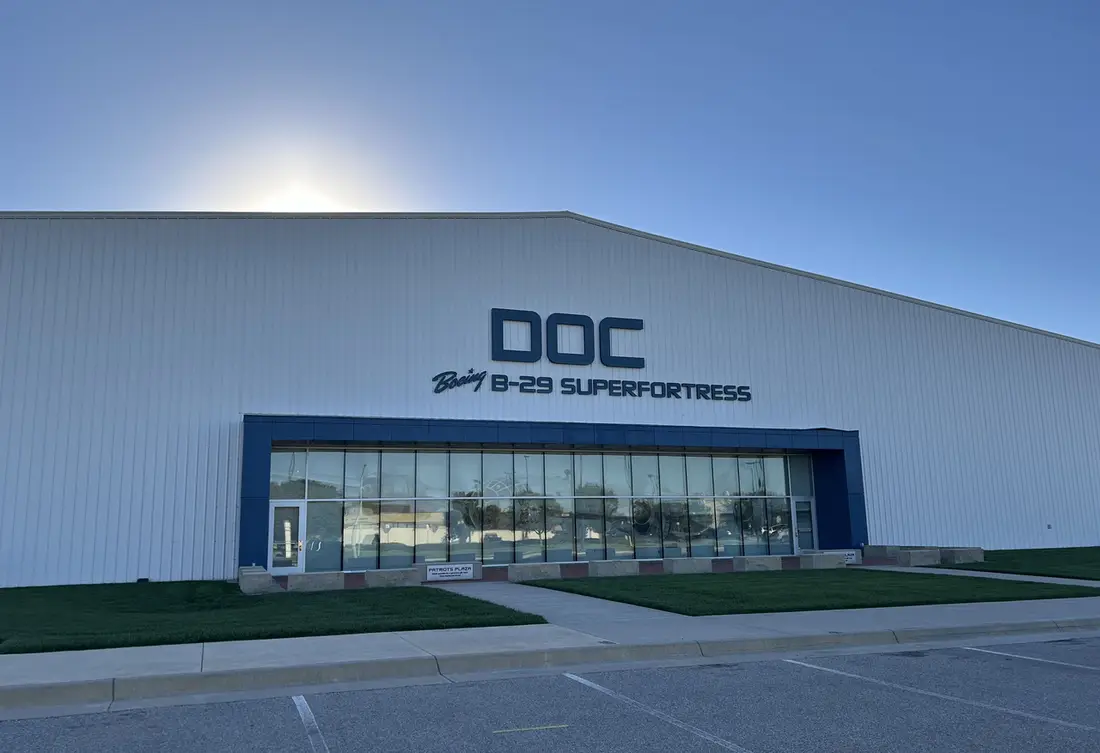
Oaklawn sits at Wichita's southeast corner beside McConnell Air Force Base, a postwar neighborhood built when the aircraft industry boomed. The Kansas Aviation Museum occupies the old municipal airport terminal nearby. The April 2012 tornado brushed this area, and its postwar elms and maples carry both age and storm history.
Local conditions shape the work here. 1950s ranch homes on modest lots, plus outbuildings and later additions near the base - and that shapes the tree work directly. Oaklawn's canopy is postwar planting at full age: American elms, silver maples and hackberries in their seventies, with the 2012 tornado's edge having twisted and split trees that were patched rather than assessed. For tree health & disease treatment in Oaklawn, health calls here read the crown's thin spots, the bark and the soil before any treatment.
The blocks around the Kansas Aviation Museum, in the old Wichita airport terminal show Oaklawn in miniature - the canopy age, the wind path, the lot pattern, all readable from one corner.
Signs Oaklawn Homes Need Tree Health & Disease Treatment
A tree that just is not thriving
Stunted leaves, early fall color, slow decline with no single villain: usually the root zone - compaction, grade changes, girdling roots, drought.
Oak leaves wilting in early summer
Oak wilt moves fast in the red oak family - leaves bronzing and dropping in June, whole trees dead by August, and the disease traveling to the next oak through grafted roots.
Yellow leaves with green veins
Iron chlorosis - pin oaks, silver maples and river birch in alkaline Kansas soil unable to take up iron.
Why This Work Runs in Oaklawn
Soil is the quieter half of tree medicine here. Wichita's alkaline clays lock iron away from the species that crave it, construction compacts root zones into pavement-grade density, and grade changes bury root flares a fatal foot deep. Air-spade excavation, vertical mulching, flare recovery and honest watering plans cure more Wichita trees than any spray ever sold - because more Wichita trees are dying of their ground than of their pests.
Oaklawn's canopy is postwar planting at full age: American elms, silver maples and hackberries in their seventies, with the 2012 tornado's edge having twisted and split trees that were patched rather than assessed. Open ground toward the base gives wind a clean fetch at the canopy's edge rows.
In Oaklawn, that plays out street by street - for tree health, watch the drip line - chlorosis, thin crowns and early fall color live there. Local knowledge, Oaklawn edition: the storm track, the wind path and the species calendar all vote on when this work is needed.
Spring is storm season in Wichita, and it is tree season too. From March into June, supercell thunderstorms roll off the plains with damaging wind, and the trees that get a structural look before the season are the ones that come through it standing. Late spring is also when winter's hidden damage declares itself - limbs that died under ice, crowns that leaf out thin, and borers resuming their work in the ash.
Before the visit, clear access to the trees and the drop zones where pieces will land, and secure pets. During the visit, expect a plain-English explanation of findings; after it, a short list of the care items on your side that keep the problem from restarting.
As the season turns, the work in Oaklawn shifts from the crown to the calendar: what the spring opened, the fall must assess before the ice starts its own testing.
Write down the pattern before you call: when it started, where it shows, what the weather was doing - a decline's timing against the seasons is half the diagnosis in Oaklawn as everywhere.
How Tree Health & Disease Treatment Works in Oaklawn
The full step-by-step process for this service - inspection, scope, the work itself and follow-up - is laid out on the main Tree Health & Disease Treatment page. In Oaklawn the same sequence runs with the local map in hand: the canopy around the Kansas Aviation Museum, in the old Wichita airport terminal, the housing pattern described above, and the exposure this neighborhood actually carries.
The Oaklawn Angle
Ask anyone who works trees in Oaklawn and they will tell you the pattern repeats: the storm losses, the species failures, and the seasons grade the result. Where the weather lands hardest follows the housing and the trees planted with it. 1950s ranch homes on modest lots, plus outbuildings and later additions near the base.
The yards complete the picture. Oaklawn's canopy is postwar planting at full age: American elms, silver maples and hackberries in their seventies, with the 2012 tornado's edge having twisted and split trees that were patched rather than assessed. Open ground toward the base gives wind a clean fetch at the canopy's edge rows. Done in that order, tree health & disease treatment in Oaklawn stops being a recurring surprise and becomes a managed routine.
Oaklawn does not sit alone on the map. It weathers the same storms as Planeview, South Wichita and Derby - the same cells cross the county, the same wind works the same canopies, and the same seasons move through all of them within the same few weeks. Which is the last word on method here: read the neighborhood pattern, not just the tree that called.
On the route map, Oaklawn sits in the wichita neighborhood group, ZIP 67216 - close enough to Planeview, South Wichita that crews work them on the same runs. That local memory is the quiet advantage of route-based work in Oaklawn.
A note on timing that the local pattern makes plain: tree health & disease treatment done in the quiet months is a different service from the same work done in the emergency weeks - same trade, same crew, but planned instead of reactive, and thorough instead of triaged.
Prevention That Helps in Oaklawn
- Buy local firewood and move none from infested ground - the borer travels in the firewood pile farther than it flies.
- Have thin-crowned trees diagnosed the first season it happens - the treatment window is the first chapter of every success story.
- Start ash decisions now: inventory your ash, choose the keepers while their crowns are full, and budget the program or the removal - but do not drift.
1950s ranch homes on modest lots, plus outbuildings and later additions near the base.
Keep Exploring
Tree Health & Disease Treatment nearby:
- Tree Health & Disease Treatment in Planeview
- Tree Health & Disease Treatment in South Wichita
- Tree Health & Disease Treatment in Derby
- Tree Health & Disease Treatment in East Wichita
More services in Oaklawn:
- Tree Service in Oaklawn
- Emergency Tree Service in Oaklawn
- Hedge & Shrub Trimming in Oaklawn
- Debris & Firewood Removal in Oaklawn
See the full tree care page for Oaklawn and the Tree Health & Disease Treatment overview for Wichita.
Tree Health & Disease Treatment in Oaklawn - Questions
Can my Oaklawn ash tree be saved from the emerald ash borer?
If its crown is still substantially full and its structure sound, a systemic treatment program can protect it indefinitely, renewed on its multi-year cycle. If the borer has taken a third or more of the crown, treatment rarely restores it, and the honest money goes to removal and replanting. The assessment measures the crown and the borer sign, and the answer follows the measurement - which is why the look should happen before the thinning you can see from the street.
Is oak wilt in Oaklawn, and how do I protect my oaks?
Oak wilt is established in Kansas and moves two ways: beetles carrying spores to fresh wounds in the warm months, and root grafts between neighboring oaks underground. Protection is discipline - prune only in winter, paint any warm-season wound the day it happens, and never move oak firewood from a dead tree. A wilting red oak in June is a call-now diagnosis; whites resist longer, reds can die in weeks.
What should Oaklawn homeowners have ready before a Tree Health & Disease Treatment visit?
Access and information. Clear the way to the trees and the gates, secure pets, and have the pattern written down - when it started, where it shows, and what the weather was doing. That five minutes of prep is worth a second visit.
A Dead Limb Over the Roof, a Leaning Trunk or Storm Debris in the Yard?
One call connects you with a tree care professional serving Wichita and the surrounding communities - assessment, trimming, removal and cleanup.
📞 Call Now